


While short-term inflammation is essential for acute recovery, persistent systemic inflammation gradually damages healthy tissues and increases the risk of chronic disease. This comprehensive guide breaks down the critical physiological differences between acute and chronic inflammation, highlights early warning signs before irreversible tissue breakdown occurs, and provides actionable, evidence-based lifestyle and nutritional strategies to calm the immune system.
Developed with clinical guidance from Josephine Smith (BSc Health Science), Supplement Hub’s resident Nutritionist and In-House Practitioner, this article brings specialized clinical expertise in healthy aging, longevity, and musculoskeletal health. Drawing on years of functional practice, Josephine translates complex biochemical pathways into practical therapeutic protocols, helping you target the root causes of systemic inflammation and restore lasting vitality.
Key Takeaways:
- Acute Heals, Chronic Degrades: While acute inflammation is a localized response that resolves as tissues heal, unresolved chronic inflammation is associated with wider health risks and can contribute to progressive conditions such as joint wear, arterial stiffening, and metabolic imbalance.
- Early Clues Precede Chronic Symptoms: Before debilitating fatigue or stiff, aching joints set in, the body often shows subtle warning signs, such as stubborn abdominal weight gain, borderline-elevated hs-CRP, puffiness, or slow exercise recovery, offering a crucial window for early intervention.
-
Effective Management Requires Targeted, High-Bioavailability Nutrients: While there is no single overnight "cure," chronic inflammation can be successfully turned down by combining foundational lifestyle changes with clinical doses of bioavailable compounds, such as 2,000–3,000 mg of therapeutic Omega-3 EPA/DHA, standardized Boswellia (AKBA) to inhibit the 5-LOX pathway, and Curcumin phytosomes to suppress master inflammatory triggers like NF-kB.
What is Chronic Inflammation?
Inflammation is not inherently harmful; in fact, it is essential for human survival. However, when the body's inflammatory response fails to turn off, a protective biological defence transforms into a silent, progressive driver of tissue breakdown. Understanding the distinction between healthy short-term inflammation and persistent, low-grade chronic inflammation is critical for safeguarding your joints, cellular integrity, and long-term vitality.
Acute vs. Chronic Inflammation: Knowing the Difference
The body deploys inflammation in two distinct modes, characterized by differing triggers, durations, and outcomes:
- Acute (Short-Term) Inflammation: This is the body’s rapid, localized response to sudden physical trauma, a cut, a twisted ankle, or a viral/bacterial infection. Immune cells rush to the site, releasing chemical signals that cause visible redness, heat, swelling, and localized pain. Once white blood cells clear the foreign invader or begin tissue repair, specialized pro-resolving mediators (SPMs) signal the immune system to stand down, and the tissue heals completely within days or weeks.
- Chronic (Long-Term) Inflammation: Unlike acute injury, chronic inflammation is systemic, insidious, and lacks a clear "end switch." It occurs when the immune system continues pumping out white blood cells and pro-inflammatory signalling proteins (cytokines such as TNF-alpha, IL-6, and IL-1beta) long after an initial threat is gone, or in response to ongoing stressors like poor metabolic health, chronic psychological stress, environmental toxins, or autoimmune dysfunction. Because it rarely produces localized redness or acute fever, it often progresses silently beneath the surface for months, years, or decades.
What Causes Chronic Inflammation?
Unlike acute inflammation, which has an obvious origin like a bee sting or a sprained ankle, chronic inflammation rarely stems from a single event. Instead, it is typically fueled by a complex interplay of lifestyle factors, environmental stressors, and underlying clinical conditions that keep the immune system in a perpetual state of high alert. The primary drivers of sustained systemic inflammation include:
- Pro-Inflammatory Diets & Gut Dysbiosis: Diets high in ultra-processed foods, refined carbohydrates, and artificial trans fats spike blood glucose and elevate inflammatory markers like C-reactive protein (CRP). Furthermore, an imbalance in the gut microbiome (dysbiosis) can compromise intestinal barrier integrity, allowing bacterial endotoxins (such as lipopolysaccharides) to enter the bloodstream and trigger widespread immune activation.
- Visceral Adiposity (Excess Abdominal Fat): Visceral adipose tissue, the fat stored deep around abdominal organs, is metabolically active and can release inflammatory signaling molecules, such as interleukin-6 (IL-6) and TNF-α. When visceral fat accumulates in excess, it is often associated with higher systemic inflammatory markers, though the degree of impact varies from person to person.
- Autoimmune & Rheumatic Conditions: In disorders such as rheumatoid arthritis, lupus, or Hashimoto’s thyroiditis, the immune system fails to recognize healthy cells and mounts a sustained attack against the body’s own joints, tissues, or organs, perpetuating a relentless inflammatory loop.
- Persistent Low-Grade & Bacterial Infections: Microbial invaders that the body cannot entirely clear create a smouldering immune battle. A classic, widely overlooked example is oral inflammation; untended gum disease (gingivitis and periodontitis) allows oral bacteria and associated toxins to enter the bloodstream, directly elevating systemic inflammatory levels.
- Chronic Psychological Stress & Sleep Deprivation: Prolonged mental stress keeps the sympathetic nervous system switched on, releasing excess cortisol. Over time, immune cells can develop resistance to cortisol’s natural anti-inflammatory actions, paving the way for unchecked inflammatory signalling. Similarly, chronic insomnia or disrupted circadian rhythms prevent the body from initiating its natural nightly tissue repair cycles.
- Environmental Toxins & Heavy Metals: Daily, long-term exposure to particulate air pollution, heavy metals, industrial solvents, or cigarette smoke triggers localized oxidative stress in the lungs and vascular lining that spills over into systemic circulation.
Identifying and mitigating these daily triggers, while replenishing the body with targeted, practitioner-grade anti-inflammatory botanicals and essential fatty acids, is fundamental to cooling the internal flame and protecting long-term vitality.
What are the Signs and Symptoms of Chronic Inflammation?
Because chronic inflammation develops quietly beneath the surface, it rarely produces the dramatic swelling or localized heat of an acute injury. Instead, it manifests across two phases: subtle early clinical "signs", the subtle shifts and physiological clues that inflammation is brewing, followed by more pronounced systemic "symptoms" that signal prolonged inflammatory activity has taken root in your tissues.
Early Warning Signs: Clues That Inflammation Is Brewing
In clinical practice, early signs are often objective, visual, or physiological flags that indicate the immune system is beginning to simmer. Paying attention to these early warnings allows you to intervene before chronic tissue damage sets in:
- Stubborn Abdominal Weight Gain: Developing visceral fat around the midsection that resists standard dietary efforts is often fueled by underlying insulin resistance and low-grade inflammation.
- Elevated Blood Biomarkers: Higher readings on standard inflammatory or metabolic markers, such as high-sensitivity C-reactive protein (hs-CRP), erythrocyte sedimentation rate (ESR), or fasting insulin, can indicate systemic immune activity, though results always need to be interpreted within your broader clinical context.
- Puffy Facial Features & Fluid Retention: Waking up with swollen under-eye bags, fluid retention in the ankles, or tight rings on your fingers due to mild capillary permeability.
- Persistent Skin Flare-Ups: Unexplained bouts of adult acne, mild eczema, rosacea, or sudden skin redness, reflecting inflammatory immune signaling spilling out through the dermis.
- Recurrent Bleeding Gums: Tender or bleeding gums when brushing, which directly reflects active oral vascular inflammation and immune strain.
- Slow Recovery After Light Exercise: Experiencing prolonged muscle soreness or mild joint stiffness that lingers far longer than normal after moderate physical activity.
Manifest Symptoms: How You Know Chronic Inflammation Has Taken Root
When low-grade inflammation persists unmanaged, circulating cytokines (such as TNF-alpha and IL-6) directly affect energy pathways, pain receptors, and neurotransmitters, resulting in widespread, daily symptoms:
- Unrelenting Fatigue: Deep, systemic exhaustion that does not resolve with adequate sleep, driven by inflammatory cytokines impairing cellular mitochondrial energy production.
- Aching, Wandering Joint and Muscle Pain: Dull, non-specific stiffness or tenderness that shifts between joint groups, particularly upon waking or after sitting still for short periods.
- "Brain Fog" and Poor Mental Clarity: Difficulty focusing, slowed information processing, and memory lapses caused by neuroinflammation crossing the blood-brain barrier.
- Digestive Irregularity: Chronic bloating, acid reflux, alternating bowel habits, or general abdominal discomfort driven by an inflamed, permeable intestinal lining.
- Frequent Infections and Poor Healing: Catching common colds more easily, experiencing frequent sinus congestion, or noticing that minor cuts and scrapes take weeks to fully close.
- Low Mood and Anxiety: Persistent feelings of apathy, mood swings, or heightened anxiety, as inflammatory cytokines disrupt the synthesis of serotonin and dopamine in the central nervous system.
Recognizing these indicators early provides a crucial window to take action. Shifting toward an anti-inflammatory diet, managing restorative sleep, and introducing targeted practitioner-grade botanicals, such as bioavailable Curcumin, High-DHA Omega-3s, and Boswellia, can help quench the inflammatory cascade before it leads to irreversible tissue wear.
How Does Chronic Inflammation Feel in the Body?
While laboratory markers and symptom checklists offer a clinical overview, they don't always capture the lived reality of chronic inflammation. Unlike the sharp, localized throbbing of a twisted ankle or the obvious fever of the flu, chronic inflammation creates a pervasive, low-level physical drag that gradually resets what you consider your "normal."
Perspective with Josephine Smith
"Clients rarely see me saying, 'I have chronic inflammation.' Instead, they describe feeling 'heavy,' as though they're wading through water with a constant low battery. They often tell me they feel a decade older than their biological age. It’s that sensation where sleep doesn't restore you, your joints feel like they need oiling before you can walk downstairs comfortably, and small physical or mental efforts leave you unexpectedly depleted."
What You Will Actually Notice Day to Day
When chronic inflammation simmers throughout the vascular tree, nervous system, and musculoskeletal framework, it manifests as specific physical sensations:
- The "Lead Blanket" Fatigue: You wake up after seven or eight hours of sleep feeling unrefreshed, as though your body never fully switched into cellular repair mode. There is a deep, cellular heaviness rather than simple sleepiness.
- Morning Joint "Gelation": Your fingers, lower back, or knees feel thick and stiff—as if the fluid inside them has congealed overnight. It typically takes a warm shower, gentle movement, or multiple cups of tea before your joints feel fluid again.
- Brain Fog & Cognitive Lag: Thoughts feel sluggish, retaining new information takes extra effort, and you experience frequent "tip-of-the-tongue" memory lapses. This is the direct result of systemic cytokines crossing into the central nervous system and dampening neurotransmitter efficiency.
- Heightened Pain Reactivity: Minor aches, old sports injuries, or tight muscles seem to flare up with very little provocation. Chronic inflammatory signaling lowers your neurological pain threshold, turning mild physical strain into lingering discomfort.
- A Fragile Digestive System: Your gut feels reactive and unpredictable. Foods you once tolerated comfortably now trigger dull abdominal distension, mild cramping, or persistent sluggishness after meals.
When to Get It Checked by a Professional
Because chronic inflammation creeps up gradually, many adults simply adapt to feeling unwell, chalking it up to "getting older." However, persistent systemic inflammation warrants clinical investigation to identify the root driver and prevent tissue damage. You should consult your GP or a qualified functional medicine practitioner if you experience:
- Symptoms Lingering Past 4 to 6 Weeks: Aches, deep exhaustion, or cognitive sluggishness that do not resolve despite adequate rest and a clean diet.
- Unexplained Weight Fluctuations: Sudden weight loss can point to underlying systemic strain, while an increase in deep abdominal (visceral) fat can itself act as a potential contributor to systemic inflammation, rather than definitive proof of it. Noticeable shifts in body composition that occur without major changes to your diet or activity warrant a chat with a GP to investigate what is driving them.
- Elevated Inflammatory Biomarkers: Routine blood work showing persistent elevations in high-sensitivity C-reactive protein (hs-CRP), erythrocyte sedimentation rate (ESR), or ferritin.
- Emergence of Symmetrical Joint Swelling: Waking with swollen, warm, or tender joints on both sides of the body (e.g., both wrists or balls of the feet), which may signal the onset of an autoimmune process like rheumatoid arthritis.
A practitioner can run targeted functional panels, such as comprehensive stool tests, complete lipid sub-fraction testing, or food reactivity profiles, to pinpoint the source of the fire rather than just suppressing the smoke.
What are the Long Term Risks of Chronic Inflammation?
When left unchecked, chronic inflammation ceases to be an invisible background annoyance and becomes one of the primary pathological drivers of modern degenerative disease. Because the body's immune defenses never receive the chemical signal to stand down, sustained cytokine activity and oxidative stress steadily degrade the structural architecture of vital organs, blood vessels, and musculoskeletal tissues over years or decades.
Tackling early signs, through proactive dietary shifts, gut barrier restoration, targeted movement, and bioavailable anti-inflammatory nutrients, is essential to halt this silent progression before irreversible tissue remodeling takes place.
The Major Long-Term Health Risks
Persistent, systemic inflammation directly increases the risk of developing several serious, life-limiting health conditions:
- Cardiovascular Disease & Atherosclerosis: Chronic inflammation damages the delicate endothelial lining of blood vessels. This continuous vascular irritation accelerates the oxidation of low-density lipoproteins (LDL) and fuels the formation of arterial plaques, significantly raising the lifetime risk of coronary artery disease, hypertension, heart attacks, and strokes.
- Accelerated Cartilage Destruction & Osteoarthritis: In joint structures, circulating pro-inflammatory mediators (TNF-α, IL-1β) activate destructive enzymes known as matrix metalloproteinases (MMPs). These enzymes break down the collagen scaffolds and proteoglycans that give cartilage its shock-absorbing resilience, turning mild joint wear into aggressive joint degeneration and bone-on-bone friction.
- Type 2 Diabetes & Metabolic Syndrome: Inflammatory cytokines directly interfere with insulin receptor signaling on cellular membranes, particularly in muscle and liver tissues. This triggers systemic insulin resistance, elevates blood glucose levels, and accelerates visceral fat accumulation, locking the body into a compounding metabolic loop.
- Neurodegenerative Decline & Cognitive Impairment: Cytokines can breach the blood-brain barrier, triggering persistent activation of the brain’s resident immune cells (microglia). This chronic neuroinflammation contributes to vascular dementia, accelerates age-related memory decline, and promotes the misfolded protein aggregates linked to Alzheimer’s and Parkinson’s diseases.
- Autoimmune Dysregulation: Protracted immune hyperactivity increases the risk of immune tolerance breakdown, where the body struggles to distinguish self from non-self, potentially precipitating or worsening conditions like rheumatoid arthritis, lupus, or Hashimoto’s thyroiditis.
The Critical Window for Prevention
The most important clinical reality of chronic inflammation is that it operates on a continuum. Before an individual receives a formal diagnosis of cardiovascular disease or advanced osteoarthritis, the underlying inflammatory mechanisms have typically been active for a decade or more.
Intervening at the earliest subtle warning signs, such as unresolving fatigue, morning joint gelation, stubborn visceral weight, or borderline-elevated hs-CRP, allows you to cool the underlying fire. Prioritizing therapeutic doses of Omega-3 EPA/DHA, high-absorption Curcumin phytosomes, cellular antioxidants, and joint-protective complexes can effectively safeguard organ integrity and preserve active, pain-free mobility as you age.
How to Reduce Inflammation in the Body
Calming systemic chronic inflammation requires a dual-track strategy: removing the daily lifestyle stressors that stoke the immune system while supplying the body with potent, biological compounds that actively resolve existing inflammatory signaling.
Foundational Lifestyle Shifts to Cool the Fire
Before the body can repair lingering tissue damage, you must turn down the inputs keeping your immune defenses on high alert:
- Shift to an Anti-Inflammatory Dietary Pattern: Focus your plate around colorful Mediterranean staples, wild cold-water fish, leafy greens, berries, cruciferous vegetables, and polyphenol-dense extra virgin olive oil. Concurrently, minimize refined seed oils (corn, sunflower, soybean), high-fructose corn syrup, and ultra-processed carbohydrates that spike blood glucose and fuel pro-inflammatory cytokines.
- Prioritize 7–9 Hours of Restorative Sleep: Deep, slow-wave sleep is when your glymphatic system cleanses metabolic waste from the brain and the immune system resets its baseline cytokine production. Chronic sleep disruption keeps cortisol elevated and drives up markers like high-sensitivity C-reactive protein (hs-CRP).
- Incorporate Daily Low-Impact Movement: Sustained, high-intensity exertion without recovery can elevate inflammatory stress, whereas gentle, rhythmic movement (walking, swimming, light cycling, or mobility flows) stimulates circulation and triggers the release of anti-inflammatory myokines from contracting skeletal muscle.
- Eliminate Tobacco & Moderate Alcohol Intake: Smoking introduces particulate toxins that induce continuous oxidative stress in lung and vascular tissue. Excess alcohol metabolites disrupt the delicate intestinal barrier (leaky gut), allowing inflammatory bacterial lipopolysaccharides (LPS) into systemic circulation.
- Consider Conventional Medical Options Where Necessary: For severe autoimmune conditions or acute flares, conventional medications such as non-steroidal anti-inflammatory drugs (NSAIDs), corticosteroids, or disease-modifying antirheumatic drugs (DMARDs) may be prescribed by your GP or rheumatologist to halt rapid tissue degradation. However, because long-term use carries gastrointestinal and cardiovascular side effects, combining these with lifestyle and nutritional strategies is optimal for long-term health.
- Target Root Pathways with Practitioner-Grade Supplements: Supplying the body with concentrated botanical polyphenols, specialized fatty acids, and enzymatic cofactors provides direct biological support to interrupt inflammatory loops without damaging digestive mucosa.
Practitioner-Led Nutritional Therapeutics: The "Why" Behind the Ingredients
Expert Protocol Guidance with Josephine Smith
"When addressing chronic inflammation, our objective is two-fold: we want to block the enzymes churning out inflammatory chemicals, and we want to actively activate the pathways that tell tissues to heal. Standard over-the-counter tablets frequently use low-grade raw powders that pass straight through the digestive tract. To see a therapeutic shift, mature adults must seek out standardized extracts and specialized delivery systems at clinically validated dosages."
Here are the key evidence-backed nutrients Josephine recommends to cool chronic inflammation, along with their biochemical mechanisms and practical meanings:
High-Concentration Omega-3 EPA & DHA
- The Clinical Mechanism: Eicosapentaenoic acid (EPA) and docosahexaenoic acid (DHA) displace pro-inflammatory arachidonic acid (an omega-6) from cell membranes. Once incorporated, they metabolize into specialized pro-resolving mediators (SPMs), including resolvins, protectins, and maresins, which signal white blood cells to stop attacking and initiate tissue clearance.
- In Plain Terms: Instead of simply dampening pain, high-grade fish oils provide the exact cellular keys that tell your immune system the battle is finished, prompting it to clean up cellular debris and quiet the joint lining.
- Josephine’s Dosage Guidance: Aim for 2,000 mg to 3,000 mg of combined EPA/DHA daily (in high-purity triglyceride form) during active inflammatory phases, stepping down to 1,000 mg daily for baseline maintenance.
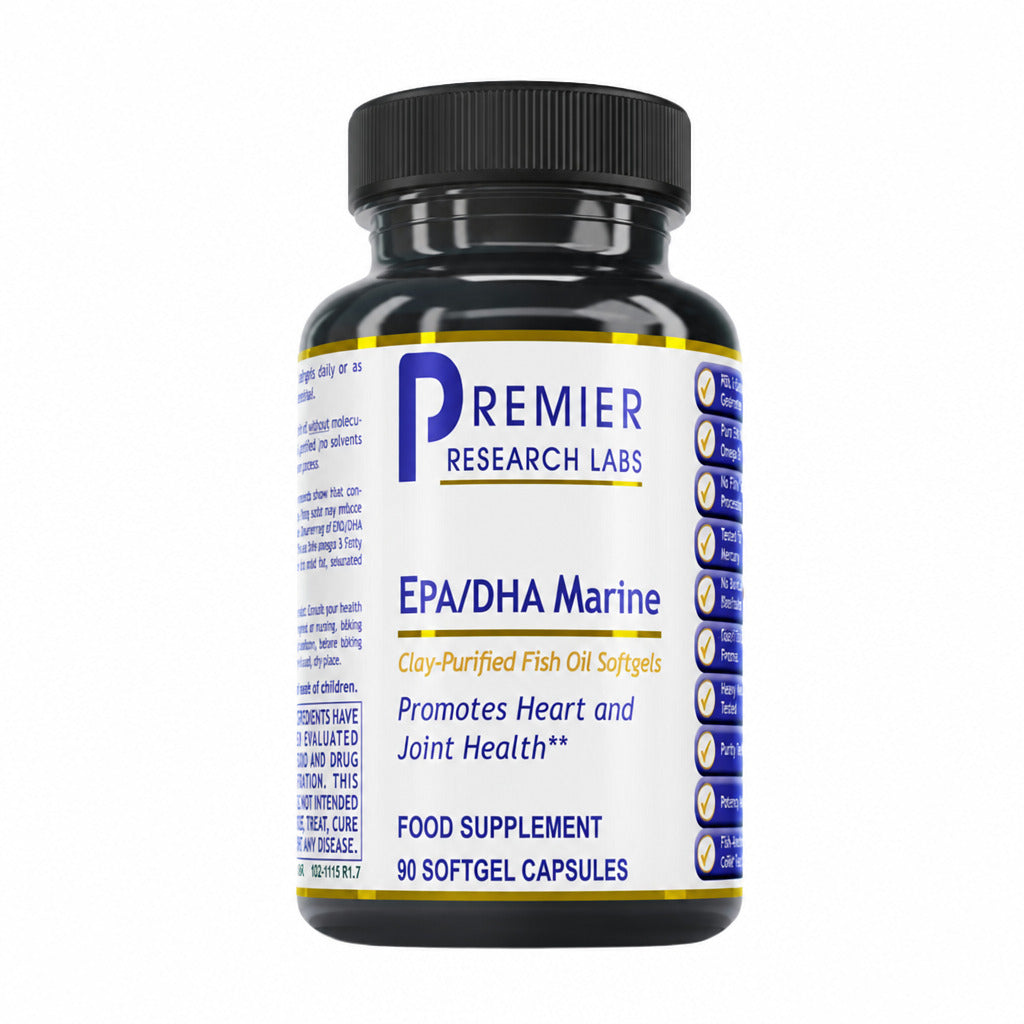 |
EPA/DHA Marine - 90 Softgels | Premier Research Labs EPA/DHA Marine Softgels provide cold-filtered, non-distilled omega-3 fish oil in its natural triglyceride form. Rich in EPA and DHA, it offers pure, antioxidant-protected support for heart function, joint mobility, and brain health.  |
Bioavailable Curcumin (Turmeric Extract)
- The Clinical Mechanism: Curcumin acts as a multi-target botanical inhibitor, suppressing the translocation of Nuclear Factor-kappa B (NF-kB)—the master genetic transcription factor regulating hundreds of pro-inflammatory genes—while down-regulating the Cyclooxygenase-2 (COX-2) enzyme.
- In Plain Terms: NF-kB acts like a central alarm switchboard inside your cells. Curcumin effectively flips that main breaker switch off, drastically reducing the chemical alarms that cause persistent joint swelling, redness, and muscular aching.
- Josephine’s Dosage Guidance: Take 500 mg to 1,000 mg daily of a specialized, highly absorbable extract (such as curcumin phytosome or liposomal form), which offers up to 29 times higher cellular bioavailability than raw culinary turmeric powder.
 |
Bio-Curcumin 400mg - 50 Capsules | Pharma Nord Pharma Nord Bio-Curcumin 400mg (50 Capsules) delivers high-potency joint and mobility support using a patented formula clinically proven to be up to 95 times more bioavailable than standard turmeric extracts. Manufactured to strict pharmaceutical standards, it effectively targets everyday stiffness and eases joint discomfort to promote smooth, comfortable movement with just one capsule daily. |
Standardized Boswellia Serrata (Indian Frankincense)
- The Clinical Mechanism: Boswellic acids—specifically acetyl-11-keto-beta-boswellic acid (AKBA)—bind directly to and inhibit the 5-lipoxygenase (5-LOX) enzyme. 5-LOX is the enzymatic pathway responsible for synthesizing pro-inflammatory leukotrienes, which sustain tissue degradation and vascular leakage.
- In Plain Terms: Most standard anti-inflammatories only target the COX pathway. Boswellia blocks a completely separate, aggressive inflammatory chemical pipeline (leukotrienes) that commonly attacks cartilage, making it exceptionally effective for easing stubborn morning stiffness and preserving cartilage scaffolds.
- Josephine’s Dosage Guidance: Look for an extract standardized to at least 20–30% AKBA, taken at 100 mg to 250 mg daily, ideally alongside healthy dietary fats to optimize absorption.
 |
Boswellia AKBA - 60 Capsules | Pure Encapsulations Boswellia AKBA by Pure Encapsulations delivers a highly absorbable, highly potent form of Indian Frankincense to support whole‑body inflammation and daily wellness. Standard boswellia extracts contain far less AKBA, but this advanced 5‑Loxin® form provides 10× more of the active compound, helping to promote joint comfort, ease occasional digestive issues, support intestinal motility and maintain a balanced inflammatory response. Research also suggests benefits for osteoarthritis, asthma‑related inflammation and long‑term cellular health. |
Systemic Proteolytic Enzymes (Serrapeptase & Bromelain)
- The Clinical Mechanism: When taken on an empty stomach, proteolytic enzymes bypass digestive breakdown and enter systemic circulation, where they cleave excess circulating immune complexes, dissolve non-living cellular fibrin deposits, and accelerate the clearance of inflammatory exudate.
- In Plain Terms: Think of these enzymes as an internal microscopic clean-up crew. They break apart the dense protein tangles and fluid buildup that cause persistent throbbing and swelling around stressed joints and muscles.
- Josephine’s Dosage Guidance: Take between meals (at least 45 minutes before eating or 2 hours after) according to product-specific enzyme potency units (e.g., 20,000–40,000 SPU of Serrapeptase or 500 mg of standardized Bromelain).
 |
Phyto-Curcumin Plus Enzymes - 60 Capsules | Vital Nutrients Phyto-Curcumin Plus Enzymes combines high-absorption Curcumin Phytosome with systemic enzymes bromelain and serratiopeptidase to promote a balanced inflammatory response throughout the body. Designed to ease joint stiffness, support musculoskeletal comfort, and provide vital cellular antioxidant protection, this advanced formula helps protect vital tissues and organs from the long-term strain associated with persistent inflammation. |
Explore our curated Anti-Inflammatory & Joint Support Collection to find practitioner-grade formulas featuring these bioavailable extracts, or consult our in-house clinical team to tailor a protocol specific to your health goals.
Can Chronic Inflammation be Cured?
Because chronic inflammation develops quietly over months or years, there is rarely a single, quick "cure" or overnight fix. Unlike acute inflammation, which completely resolves once a wound closes or an infection clears, chronic systemic inflammation is an ongoing physiological state driven by multiple interconnected factors, from immune dysregulation and gut permeability to metabolic stress and lifestyle pressures.
However, not having an instant cure does not mean you have to accept chronic discomfort as an unavoidable part of getting older. While it requires dedication and patience, chronic inflammation can be managed, calmed, and systematically turned down. By combining targeted dietary adjustments, restorative sleep, stress reduction, and evidence-based clinical treatments, you can re-establish immune equilibrium, protect your tissues from long-term wear, and regain your vitality.
Nutritional therapy plays a central role in this daily management strategy. Supplying your body with concentrated botanical polyphenols, specialized marine lipids, and enzymatic cofactors helps interrupt repetitive inflammatory signaling without the harsh gastrointestinal side effects often associated with long-term pain medication.
At Supplement Hub, we curate an extensive range of practitioner-selected pain and inflammation supplements specifically formulated to target persistent swelling, joint stiffness, and systemic immune stress. By choosing high-absorption, clinical-grade formulas, such as phytosome curcumin, concentrated EPA/DHA omega-3s, and standardized boswellia, you give your cells the precise biochemical support needed to soothe ongoing flare-ups, restore fluid daily movement, and feel like yourself again.

