


Low estrogen can affect everything from mood and energy to skin, sleep and menstrual cycles and understanding these changes is the first step toward feeling more balanced. In this guide, Josephine Smith (BSc Health Science), Nutritionist and In‑House Practitioner at Supplement Hub, shares her expertise in women’s health to help you recognise the signs of low estrogen, understand why they happen and explore natural ways to manage them.
Whether you’re navigating perimenopause, recovering post‑partum or simply noticing new changes in your cycle, this overview brings together everything you need to know from symptoms and causes to testing, lifestyle support and supplement guidance.
Key Takeaways
- Low estrogen affects multiple systems — including mood, skin, sleep, menstrual cycles and cognitive function.
- Natural management of low estrogen is possible — through nutrition, lifestyle habits and targeted estrogen supplements.
- Expert guidance matters — especially if symptoms are persistent, disruptive or don’t match your life stage.
- Experts explain that estrogen (estradiol) levels typically range from 100–400 pmol/L in early adulthood, fluctuate widely during perimenopause, and usually fall below 100 pmol/L after menopause.
What is Estrogen and What Does It Do?
Estrogen is a hormone produced mainly in the ovaries (and in smaller amounts by the adrenal glands and fat tissue). It plays a central role in growth, development, and the regulation of many body systems. Although it’s often labelled a “female hormone,” everyone produces estrogen — just in different amounts.
What Does Estrogen Do in the Body? - General Functions (in all bodies)
- Bone health — helps maintain bone density and supports the natural cycle of bone rebuilding.
- Brain function — influences mood, memory, and cognitive processing.
- Heart and blood vessels — supports healthy blood flow and helps regulate cholesterol balance.
- Skin and hair — contributes to skin elasticity, hydration, and hair growth.
- Metabolism — affects how the body uses fat and glucose for energy.
What Does Estrogen Do Specifically for Women?
- Menstrual cycle regulation — works with progesterone to control ovulation and the monthly cycle.
- Reproductive development — drives breast development, hip widening, and other puberty changes.
- Fertility support — prepares the uterine lining for pregnancy and supports early embryo implantation.
- Vaginal and urinary health — maintains tissue elasticity, lubrication, and pH balance.
- Pregnancy changes — helps the uterus grow, supports blood flow, and prepares the body for breastfeeding.
- Menopause transition — declining estrogen levels contribute to hot flashes, sleep changes, and shifts in metabolism.

Signs & Symptoms of Low Estrogen – What to Look Out For
Low estrogen can affect many systems in the body, and symptoms often overlap with other conditions. If you’re noticing persistent or disruptive changes, it’s important to speak with a healthcare professional for proper evaluation.
What are the symptoms of low estrogen?
- Hot flashes — sudden waves of heat, often in the face and upper body. Similar to those experiences as a menopause symptom.
- Night sweats — waking up sweaty despite a cool room.
- Irregular or missed periods — cycles may become unpredictable or stop.
- Vaginal dryness — reduced lubrication and discomfort.
- Painful sex — due to thinning or dryness of vaginal tissue.
- Low libido — decreased sexual desire.
- Sleep problems — difficulty falling or staying asleep.
- Mood changes — irritability, anxiety, or low mood.
- Brain fog — trouble concentrating or forgetfulness.
- Headaches or menstrual migraines — more frequent or intense headaches.
- Dry skin — reduced elasticity and hydration.
- Hair thinning — slower growth or increased shedding.
- Fat‑distribution shift — Lower estrogen alters how the body allocates fat.
- Bone loss or fractures — due to reduced bone density.
- Joint pain — stiffness or aching.
What are less common signs of low estrogen?
Some symptoms are less obvious or occur less frequently, but they can still signal an imbalance:
- Brittle nails — nails may peel or break easily.
- High cholesterol — changes in lipid levels linked to estrogen decline.
- Fatigue — persistent low energy not explained by sleep.
- Breast tenderness — soreness or sensitivity.
- Urinary tract infections — increased susceptibility due to tissue changes.
- Infertility — difficulty conceiving.
- Bone pain — discomfort related to reduced bone density.
- Changes in sense of smell — subtle sensory shifts.
Is it a Sign of Low Estrogen or Something Else?
Many symptoms linked to low estrogen can also appear in other common conditions. That overlap can make it hard to know what’s really going on without proper medical evaluation. If symptoms are persistent, worsening, or affecting daily life, it’s important to speak with a healthcare professional who can assess the full picture.
Below is a table showing how low‑estrogen symptoms often overlap with other health issues.
| Symptom | Possible Link to Low Estrogen | Other Conditions With Similar Symptoms |
| Fatigue | Common in perimenopause & menopause | Iron deficiency, thyroid issues, chronic stress |
| Weight gain | Slower metabolism & fat redistribution | Thyroid disorders, insulin resistance |
| Hair thinning | Reduced estrogen affects hair growth cycles | Thyroid imbalance, iron deficiency, stress |
| Mood changes | Estrogen influences serotonin & dopamine | Anxiety disorders, depression, chronic stress |
| Brain fog | Cognitive changes during hormone shifts | Thyroid issues, B12 deficiency, sleep disorders |
| Irregular periods | Perimenopause or ovarian hormone changes | PCOS, thyroid disorders, high stress |
| Dry skin | Reduced collagen & oil production | Thyroid imbalance, dehydration, eczema |
| Low libido | Hormonal decline affects desire | Stress, relationship factors, certain medications |
| Headaches | Hormonal fluctuations trigger migraines | Dehydration, tension headaches, anaemia |
| Sleep problems | Night sweats & mood shifts disrupt sleep | Anxiety, sleep apnoea, thyroid disorders |
| Joint pain | Estrogen supports joint lubrication | Autoimmune conditions, overuse injuries |
How Might You Feel If Your Estrogen is Low?
When estrogen levels begin to decline, the shift can affect both your body and your emotional landscape. Because estrogen interacts with the brain, metabolism, temperature regulation, and even the way your joints move, the experience can feel surprisingly wide‑ranging. Not everyone feels the same changes, but many people notice a mix of physical and emotional symptoms that gradually build over time.
Here’s what that overall experience may feel like:
- More tired than usual — a sense of low energy or “running on empty,” even after rest.
- Moodier or more reactive — irritability, anxiety, or emotional ups and downs that feel out of character.
- Mentally foggy — difficulty concentrating, slower thinking, or forgetting small things.
- Less interest in intimacy — a drop in desire or feeling “disconnected” from your usual libido.
- More aches and stiffness — joints may feel creaky, especially in the morning.
- Uncomfortable temperature swings — sudden warmth, flushing, or night sweats disrupting sleep.
- Changes in your cycle — periods may become lighter, heavier, or more spaced out.
- A general sense of not feeling like yourself — a subtle but persistent shift in wellbeing.
Because these sensations overlap with other conditions, such as thyroid issues, iron deficiency, or chronic stress, it’s important to speak with a healthcare professional if symptoms are persistent or disruptive. They can help determine whether estrogen is the cause or part of a bigger picture.
What is Low Estrogen Face?
You might have heard people say you can “see” low estrogen in someone’s face. While that’s an oversimplification, there is a reason estrogen changes can show up in the skin. Estrogen helps support collagen production, skin thickness, and natural oil (sebum) levels. It’s not a medical diagnosis, but rather a way of talking about how hormone shifts can show up in the skin.
Estrogen plays a key role in:
- Collagen production — supports firmness and structure in the skin.
- Skin thickness — helps maintain a plump, resilient dermis.
- Oil and moisture balance — supports sebum and hydration levels.
When estrogen drops, you may gradually notice:
- Increased dryness — skin can feel tighter, rougher, or more easily irritated.
- More visible fine lines and wrinkles — especially around the eyes and mouth.
- Mild skin sagging — loss of firmness along the jawline or cheeks.
- Duller texture and tone — skin may look less “bouncy” or radiant.
These changes are influenced by many factors, age, genetics, sun exposure, lifestyle, not just hormones. They also don’t define your worth, attractiveness, or health on their own. Supporting skin from the inside and outside can help. Alongside a gentle, hydrating skincare routine, some people choose collagen supplements to support overall skin structure and elasticity.
What Causes Low Estrogen Levels?
Estrogen naturally rises and falls throughout life, but certain stages and situations can cause levels to drop more noticeably. Understanding why estrogen declines can help you make sense of the symptoms you may be experiencing, especially during perimenopause, menopause and post‑menopause, when hormonal shifts are at their most dramatic.
Low estrogen can be caused by:
- Perimenopause — fluctuating ovarian function leads to unpredictable highs and lows.
- Menopause — ovarian estrogen production declines significantly as periods stop.
- Post‑menopause — estrogen remains low long‑term, with the adrenal glands and fat tissue producing only small amounts.
- Being on certain contraceptive pills — some formulations suppress natural estrogen production.
- Being underweight — low body fat can reduce hormone synthesis.
- Post‑partum hormonal shifts — estrogen drops sharply after birth, contributing to dryness, mood changes and low libido.
- Turner syndrome — a genetic condition affecting ovarian development.
- Some cancer treatments — chemotherapy, radiation or hormone‑blocking therapies can reduce estrogen levels.
- Natural menstrual cycle fluctuations — estrogen dips in the early follicular phase each month.
- Chronic stress — can disrupt the hypothalamic–pituitary–ovarian axis.
- Intense exercise — particularly when combined with low caloric intake.
Josephine Smith (BSc Health Science), Nutritionist and In‑House Practitioner at Supplement Hub, quotes on how estrogen typically changes with age:
“Across the lifespan, estrogen levels vary widely. In early adulthood, estradiol, the most active form of estrogen, often ranges between 100–400 pmol/L. During perimenopause, levels can swing dramatically from very low to very high, which is why symptoms can feel unpredictable. By menopause and post‑menopause, estradiol commonly falls below 100 pmol/L, and anything consistently in the very low tens is generally considered ‘low’ for most women. These ranges are broad because every woman’s hormonal rhythm is unique.”
When to See a Doctor
If you’re experiencing symptoms that feel unusual, persistent, or disruptive, it’s always wise to check in with a healthcare professional. Low estrogen can overlap with many other conditions, so getting clarity early can help you feel more in control of your health.
Here’s how Josephine Smith (BSc Health Science), women's health expert and in‑house Practitioner at Supplement Hub, frames it:
“In my years of experience, I’d recommend getting tested for low estrogen if you’re dealing with symptoms that persist for several months, feel more intense than expected, or start affecting your daily wellbeing. It’s also important to seek support if you’re concerned about early menopause, noticing significant cycle changes before age 45, or experiencing difficulties with fertility. These are all moments when understanding your hormone levels can make a real difference.”
You may want to speak with a doctor if you’re experiencing:
- Persistent symptoms — such as ongoing hot flashes, mood changes, or sleep disruption.
- Irregular or absent periods — especially if this is new for you.
- Early menopause concerns — symptoms appearing before age 45.
- Fertility challenges — difficulty conceiving or maintaining regular ovulation.
- Post‑partum hormonal issues — if symptoms feel unusually intense or long‑lasting.
- Family history of hormonal or autoimmune conditions — which may increase the likelihood of imbalances.
- Symptoms that don’t match your life stage — for example, menopausal‑type symptoms in your 20s or 30s.
A healthcare professional can help determine whether estrogen is the cause or part of a broader picture.
How is Low Estrogen Diagnosed?
Because low estrogen symptoms overlap with many other conditions, diagnosis usually involves a combination of medical history, symptom review, and targeted testing. A healthcare professional is the best person to guide this process, especially if symptoms are persistent or affecting daily life.
Here’s what the diagnostic journey typically looks like:
Medical History & Symptom Review
A healthcare professional will usually begin by asking about:
- Changes in your menstrual cycle
- Sleep, mood, and energy levels
- Hot flashes, night sweats, or vaginal dryness
- Family history of hormonal or autoimmune conditions
- Recent pregnancy, weight changes, or contraceptive use
This helps determine whether estrogen is the likely cause or part of a broader hormonal picture.
Hormone Blood Tests
Blood tests are the most common way to check estrogen levels. These may include:
- Estradiol (E2) — the primary and most active form of estrogen
- FSH (follicle‑stimulating hormone) — often elevated when estrogen is low
- LH — another hormone that shifts as ovarian function changes
- Thyroid markers — to rule out thyroid‑related symptoms
- Iron or B12 levels — if fatigue or hair thinning is present
These tests are usually taken early in the menstrual cycle for the most accurate baseline, unless cycles have stopped.
Additional Tests When Needed
Depending on symptoms, a healthcare professional may also consider:
- Pelvic ultrasound — to assess ovarian function
- Bone density scan — if bone loss is suspected
- Prolactin testing — if periods have stopped unexpectedly
These aren’t always required but can help build a clearer picture.
How to Increase Estrogen Naturally
Supporting estrogen levels naturally is absolutely possible, but it’s not an overnight process. Most people begin to notice subtle improvements (better mood, fewer hot flashes, improved skin hydration) within 4–6 weeks, with more meaningful hormonal changes taking 8–12 weeks of consistent habits.
Natural Ways to Support Estrogen
Eat Estrogen‑Supporting Foods - These foods contain phytoestrogens, which gently mimic estrogen in the body:
- Flaxseeds — rich in lignans that support hormone balance
- Soy foods — tofu, tempeh, miso, edamame
- Chickpeas and other legumes
- Sesame seeds
- Berries — especially raspberries and strawberries
- Leafy greens — support hormone metabolism
- Whole grains — oats, barley, brown rice
Eating these foods regularly is more effective than trying to “boost” estrogen quickly.
Lifestyle Habits That Support Estrogen
- Maintain a healthy body weight — body fat helps produce estrogen; being significantly underweight can reduce it
- Resistance training — supports muscle mass and hormone regulation
- Manage stress — chronic stress can suppress estrogen production
- Prioritise sleep — poor sleep disrupts hormone regulation
- Limit excessive alcohol — alcohol can interfere with hormone metabolism
These habits support the endocrine system as a whole, helping your body regulate estrogen more effectively.
Vitamins and Supplements for Estrogen Support
Supplements can be part of a natural strategy, especially when combined with diet and lifestyle changes. They don’t replace medical treatment, but they can support your body’s natural pathways.
Supplements work gradually because they support your body’s natural processes rather than forcing a rapid hormonal shift.
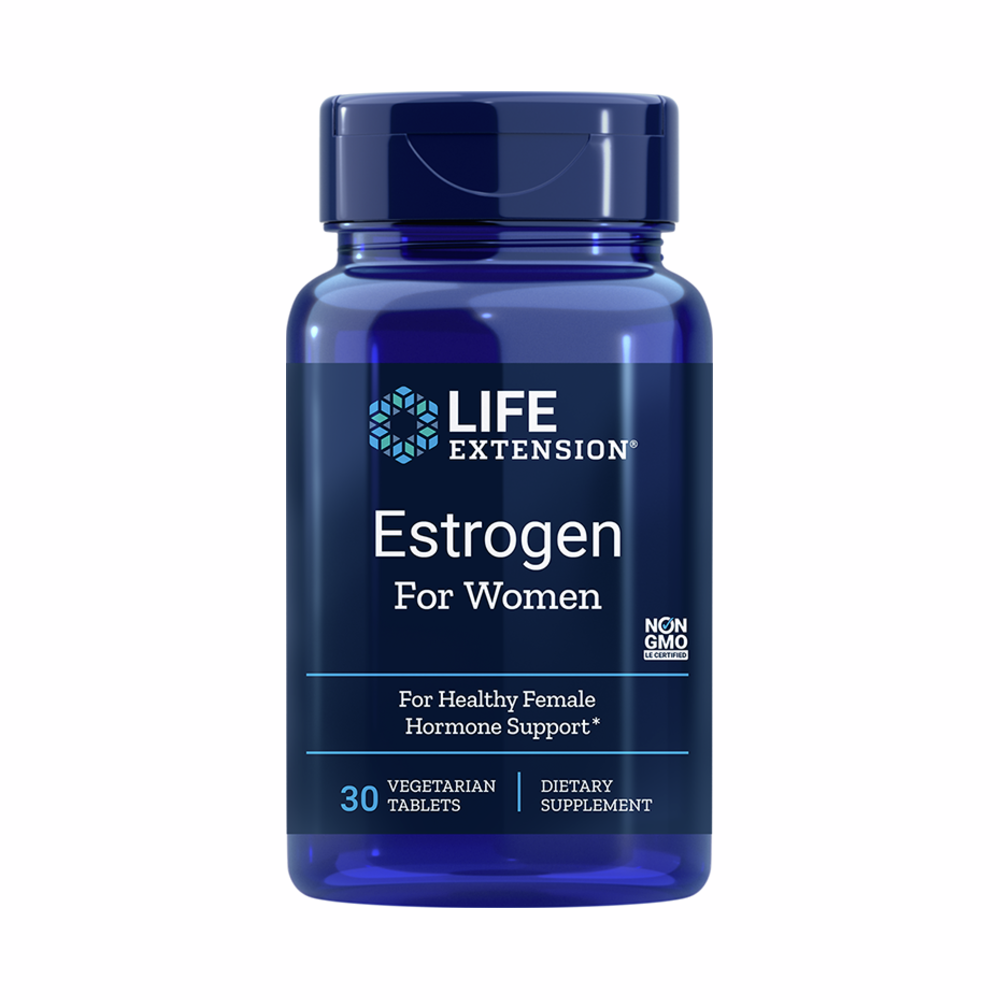 |
Estrogen Supplement for Women - 30 Tablets Estrogen for Women by Life Extension has been developed with a specially designed formula which includes a patented hops extract as well as extract from licorice, broccoli, the Dong Quai plant, and chasteberry. Recent research indicates that these extracts may reduce menopausal discomforts and support a healthy estrogen metabolism, which is under stress both during and after menopause. Life Extension’s estrogen tablets have been further enhanced with standardized lignans, which have been clinically shown to block some of the undesirable effects that estrogen may have on the body.  |
At the end of the day, the quality of the supplements you choose matters just as much as the ingredients themselves. That’s why Supplement Hub is dedicated to sourcing only the most trusted, rigorously tested brands from around the world. Every product in their estrogen support collection is selected based on scientific evidence, ingredient purity and real‑world results, not trends or marketing hype.

