


Collagen, whey, and plant protein all support the body in different ways, but they come from very different sources and serve distinct purposes.
Collagen Protein
What it is: Collagen is a structural protein found naturally in skin, hair, nails, bones, and connective tissues.
Where it comes from: Most supplemental collagen is sourced from bovine (cow), marine (fish), or porcine (pig) connective tissues.
Key note: Collagen is not a complete protein, it lacks certain essential amino acids, so it’s not ideal as a primary protein source for muscle building.
Whey Protein
What it is: Whey is a complete protein containing all nine essential amino acids.
Where it comes from: It’s derived from milk during the cheese-making process.
Key note: Whey is fast‑digesting, making it a favourite for athletes and gym‑goers. It’s not suitable for those avoiding dairy.
Plant Protein
What it is: A broad category of proteins extracted from plants such as peas, soy, rice, hemp, or mixed plant blends.
Where it comes from: Seeds, legumes, and grains.
Key note: Some plant proteins are incomplete on their own, but blends typically provide a full amino acid profile.
The Health Benefits of Proteins and How They Differ
Protein is one of the most essential nutrients for overall health. It plays a central role in muscle growth, bone strength, energy levels, and even the health of your skin and connective tissues. While all proteins contribute to these core functions, different types of protein offer unique benefits depending on their amino acid profiles and how the body uses them.
Benefits of Collagen Protein
Collagen is the most abundant protein in the human body and acts as the “scaffolding” for skin, joints, and connective tissues.
Key benefits:
- Supports skin elasticity and hydration by replenishing natural collagen stores
- Strengthens joints and ligaments, helping reduce stiffness and improve mobility
- Promotes healthy hair and nails, thanks to its high glycine and proline content
- May support the health of the intestinal lining by providing amino acids such as glycine and glutamine that are involved in tissue repair, although more human research is needed.
Why it’s different: Collagen is not a complete protein, so it’s not ideal for muscle building. Instead, it shines in structural repair, making it popular for beauty, joint health, and recovery from wear and tear.
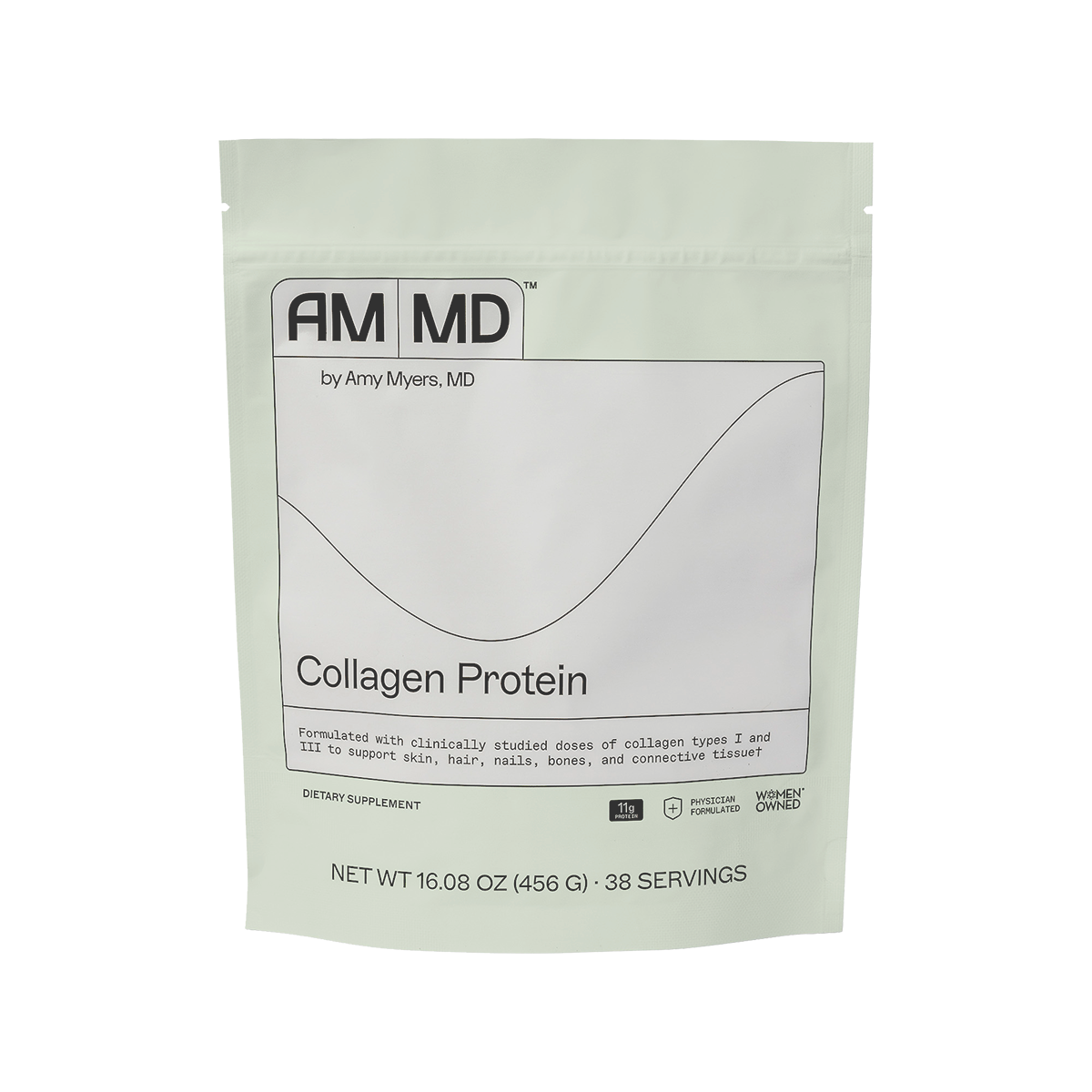 |
Collagen Protein - 456g | Amy Myers MD Collagen Protein Powder is your daily upgrade for stronger joints, glowing skin, and a healthier, more resilient body. Made from grass‑fed, pasture‑raised, non‑GMO collagen, this pure, hydrolysed formula delivers 11g of clean protein per scoop to fuel lean muscle, support a healthy gut lining, and keep your hair, skin, and nails looking their best.  |
Benefits of Whey Protein
Whey is a complete, fast‑absorbing protein derived from milk and is widely used in fitness and sports nutrition.
Key benefits:
- Builds and repairs muscle tissue due to its full amino acid profile
- Boosts post‑workout recovery with rapid absorption
- Supports healthy metabolism and helps maintain lean body mass
- May help support healthy blood sugar responses when included as part of a balanced meal.
Why it’s different: Whey is rich in branched‑chain amino acids (BCAAs), making it one of the most effective proteins for muscle growth and athletic performance.
 |
Hydrolyzed ISO-Whey Protein (Caramel Macchiato) - 798g | Designs For Sport Maximize muscle recovery and performance with Hydrolyzed ISO-Whey Protein, designed for enhanced protein synthesis and rapid absorption. This biologically active blend of whey protein concentrate, whey protein isolate, and hydrolyzed whey protein isolate ensures optimal amino acid balance, including essential amino acids, for superior nutrition. Ideal for athletes, fitness enthusiasts, and those committed to peak health. |
Benefits of Plant Protein
Plant proteins come from sources like peas, soy, hemp, and rice. They’re ideal for those who prefer dairy‑free or eco‑friendly options.
Key benefits:
- Supports muscle repair and growth, especially when using complete sources like soy or blends
- Easier to digest for many people compared to dairy-based proteins
- Provides additional nutrients such as fibre, antioxidants, and minerals
- Sustainable and vegan‑friendly, with a lower environmental footprint
Why it’s different: Plant proteins vary in amino acid profiles, but blends can offer a complete protein source. They’re excellent for overall wellness, digestion, and balanced nutrition.
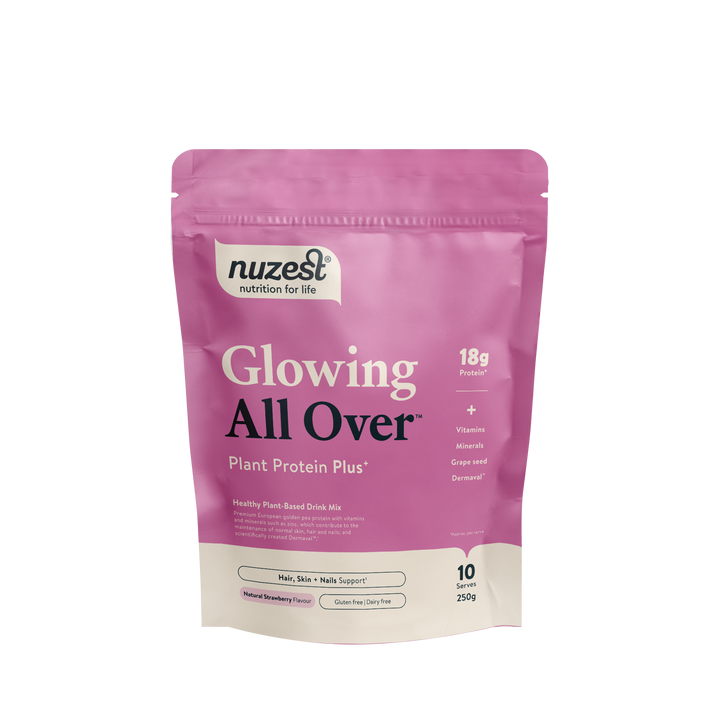 |
Plant Protein Plus - Glowing All Over - 250g | Nuzest Glowing All Over is a plant-based beauty blend crafted to nourish hair, skin, nails, and collagen naturally. Infused with essential vitamins, minerals, plant protein, antioxidant-rich berries, and Dermaval™, it helps defend your body’s collagen against age-related decline. Clean, vegan, and irresistibly delicious, it’s your daily ritual for radiant, resilient beauty, inside and out. |
Which Protein is ‘Complete’?
A complete protein contains all nine essential amino acids in adequate amounts, the ones your body cannot produce on its own. These amino acids are crucial for muscle repair, hormone production, immune function, and overall health.
Among the three popular protein types, collagen, whey, and plant protein, only one is naturally complete, while the others vary depending on their amino acid profiles.
Collagen
Collagen is not a complete protein. It lacks tryptophan and is low in several branched‑chain amino acids (BCAAs). This makes it excellent for skin, joints, and connective tissue, but not ideal as a primary protein source for muscle building.
Whey
Whey protein is a complete protein, containing all nine essential amino acids in optimal ratios. It’s especially rich in leucine, the key amino acid for stimulating muscle protein synthesis, which is why whey is so effective for muscle growth and recovery.
Plant Protein
Plant proteins vary:
- Soy is complete.
- Pea, rice, hemp, and most others are incomplete on their own.
- Blends (e.g., pea + rice) are formulated to be complete by complementing each other’s amino acid gaps.
Who Can and Can’t Take Collagen, Whey and Plant Protein?
Choosing the right protein isn’t just about goals, it’s also about dietary needs, restrictions, and personal beliefs. Each protein type comes with its own considerations, especially for people who follow vegetarian, vegan, halal, dairy‑free, or gluten‑free diets. Here’s a clear breakdown to help you navigate what typically fits your lifestyle.
Collagen Protein - Dietary considerations:
- Vegetarian/Vegan: Collagen is not suitable. It is always animal‑derived (bovine, marine, or porcine).
- Halal: Some collagen products may be halal, but only if sourced and processed according to halal standards. Always check for certification.
- Dairy‑free: Collagen is naturally dairy‑free.
- Gluten‑free: Most collagen powders are gluten‑free, but cross‑contamination is possible depending on the facility.
Summary: Collagen works for many diets but is not compatible with vegetarian or vegan lifestyles. Look for halal certification if needed and always read the label.
Whey Protein - Dietary considerations:
- Vegetarian: Suitable for vegetarians who consume dairy.Vegan: Not suitable — whey is a milk‑derived protein.
- Halal: Whey can be halal, but only if the enzymes used in cheese production and the manufacturing process meet halal requirements.
- Dairy‑free: Whey is not dairy‑free.
- Gluten‑free: Pure whey protein is naturally gluten‑free, but flavoured or blended products may contain gluten.
Summary: Whey is ideal for people who tolerate dairy. Those with lactose intolerance may prefer whey isolate, but it’s still not dairy‑free. Always check for halal certification and gluten‑free
Plant Protein - Dietary considerations:
- Vegetarian/Vegan: Fully suitable — plant proteins are the best option for plant‑based diets.
- Halal: Generally halal, but flavoured blends may contain non‑halal additives.
- Dairy‑free: Completely dairy‑free.
- Gluten‑free: Many plant proteins are gluten‑free, but some blends may include grains or be processed in facilities with gluten.
Summary: Plant protein is the most inclusive option, fitting vegan, vegetarian, dairy‑free, and often halal diets. Still, ingredients and flavourings vary, so label checks are essential.
Protein powders vary widely depending on the brand, flavourings, and manufacturing process. Always check the label for:
- Allergen warnings
- Halal/vegan certifications
- Gluten‑free or dairy‑free status
- Added sugars or fillers
Which Protein is Best for Muscle Growth?
When it comes to building muscle, both in the short term and over the long haul, the type of protein you choose matters. Different proteins digest at different speeds, contain different amino acid profiles, and support muscle repair in unique ways. Here’s how collagen, whey, and plant protein compare when your goal is stronger, leaner muscle.
Whey Protein: The Most Effective for Muscle Growth
Whey is widely considered the gold standard for muscle building.
Why it’s best:
- It’s a complete protein, containing all nine essential amino acids.
- It’s rich in leucine, the amino acid that triggers muscle protein synthesis.
- It digests quickly, making it ideal for post‑workout recovery.
Short‑term muscle growth:
Whey rapidly delivers amino acids to the muscles, helping repair micro‑tears created during training. This leads to faster recovery and noticeable strength gains.
Long‑term muscle growth:
Consistent whey intake supports sustained muscle development thanks to its high-quality amino acid profile and strong anabolic (muscle‑building) response.
Plant Protein: A Strong Alternative for Muscle Building
Plant protein can be just as effective as whey — especially when using complete sources like soy or blends (e.g., pea + rice).
Why it works:
- Many blends offer a full amino acid profile.
- It’s easier to digest for some people.
- It supports muscle repair and growth when consumed consistently.
Short‑term muscle growth:
Plant protein may digest slightly slower than whey, but still supports effective recovery.
Long‑term muscle growth:
Studies show that when total protein intake is matched, plant protein can support similar muscle gains to whey over time.
How Much Protein Do You Need Per Day for Muscle Growth?
Your daily protein needs depend on your activity level, training intensity, and goals.
General guidelines for muscle growth:
1.2–2.0 g of protein per kg of body weight per day
Higher end of the range is ideal for intense training or calorie deficits
Spread protein across 3–5 meals to maximise muscle protein synthesis
Example:
A 70 kg person aiming to build muscle would need roughly 84–140 g of protein per day.
How Much Protein is in One Scoop of Protein Powder?
A standard scoop of protein powder is usually around 30g, but the actual protein content varies depending on whether it’s collagen, whey, or plant protein. Here’s a quick, easy‑to‑scan breakdown so readers know what to expect.
Typical Protein Content per 30g Scoop
Collagen Protein — ~24–28g of protein
Collagen powders are usually very high in protein because they contain almost nothing but hydrolysed collagen peptides.
Whey Protein — ~20–25g of protein
Whey isolate tends to be higher (up to 27g), while whey concentrate is slightly lower due to carbs and fats.
Plant Protein — ~15–24g of protein
Single‑source proteins like hemp or rice are often on the lower end; blended plant proteins usually offer more.
How Do People Take Whey, Collagen and Plant Protein?
Most people take whey, collagen, and plant protein in powder form, but each type is available in several convenient formats depending on lifestyle, taste, and health goals. While there’s no single “best” way to consume protein, certain formats work better for specific needs, like fast absorption, on‑the‑go convenience, or digestive comfort.
Whey Protein
Whey is one of the most versatile and widely used protein supplements.
Common formats:
- Powders (most popular)
- Ready‑to‑drink shakes
- Protein bars
- Clear whey drinks
Whey‑based snacks (puddings, yoghurts)
Best way to take it:
Whey powder mixed with water or milk is ideal post‑workout because it digests quickly and delivers amino acids to muscles fast. Ready‑to‑drink shakes are great for convenience.
Collagen Protein
Collagen is extremely flexible because it dissolves easily and has a neutral taste.
Common formats:
- Powders (unflavoured or flavoured)
- Capsules/tablets
- Liquid collagen shots
- Collagen creamers
- Collagen bars or gummies
Best way to take it:
Collagen powder mixed into coffee, smoothies, or hot drinks is the most effective and convenient. Because it’s heat‑stable, it can also be added to soups or baking.
Plant Protein
Plant protein is popular for those who prefer dairy‑free or vegan options.
Common formats:
- Powders (pea, soy, rice, hemp, or blends)
- Ready‑to‑drink vegan shakes
- Protein bars
- Plant‑based meal replacement shakes
Best way to take it:
Blended into smoothies or mixed with plant‑based milk for a creamier texture. Plant proteins can be slightly thicker, so blending often improves taste and consistency.
High-Quality, Practitioner-Backed Supplements
Choosing the right protein is only half the story, the quality of the supplement matters just as much. Practitioner‑backed brands prioritise purity, responsible sourcing, and evidence‑based formulations, ensuring you get protein products that genuinely support your health goals. At Supplement Hub, every product is carefully vetted by experts, with a focus on clean ingredients, transparent labelling, and trusted manufacturing standards.
Whether you prefer whey protein, collagen protein, or plant‑based protein, Supplement Hub partners with leading brands known for their commitment to quality. Explore some of the best‑selling practitioner‑approved options in the Protein Meal Replacements collection, featuring premium formulas designed to support energy, recovery, and everyday wellness.