


Magnesium is one of those behind‑the‑scenes minerals that quietly keeps an athlete’s engine running, yet most active people don’t realise how much harder their bodies burn through it. Intense training, heavy sweating, higher metabolic turnover, and increased muscle‑repair demands all mean athletes often require more magnesium than the average person. And not just more, often different forms of magnesium depending on whether the goal is peak performance, faster recovery, deeper sleep, or better gut resilience.
Some forms (like magnesium glycinate) excel at calming the nervous system and improving sleep quality. Others (like magnesium malate) support energy production and muscle endurance. And some, magnesium citrate, are commonly used for replenishment and muscle function
Before we dive in, it’s worth knowing that this guide was developed with insight from our in‑house practitioner Josephine Smith, a registered nutritional therapist with a specialist focus on sports performance, functional nutrition, and evidence‑based supplementation. Josephine is passionate about the science of how athletes fuel, recover, and adapt and she often reminds us that:
“Athletes aren’t just smaller versions of endurance machines. Their nutritional needs shift dramatically with training load, stress, and recovery demands. Magnesium is utilised at a higher rate.”
Her background in sport and nutrition shapes the way we approach this topic: not just what magnesium does, but which forms actually move the needle for performance, recovery, sleep, hydration, and long‑term health.
This article breaks down:
- What Does Magnesium Do for Athletes?
- Why Athletes May Need More Magnesium
- How Much Magnesium Per Day for Athletes?
- Best Magnesium for Athletes: Which Form Is Right?
- Signs Athletes May Not Be Getting Enough Magnesium
- When Should Athletes Take Magnesium?
- Which Magnesium is Best for Athletes?
What Does Magnesium Do for Athletes?
Magnesium is involved in more than 300 biochemical reactions but for athletes, a handful of these functions directly influence how well you perform, how fast you recover, and how resilient your body stays under training stress. Below is a breakdown of the key athletic benefits;
Supports Muscle Function and Contraction
Magnesium plays a central role in how muscles contract and relax, acting as a natural counterbalance to calcium. While calcium triggers muscle contraction, magnesium helps the muscle fibres release and reset. When levels drop, athletes may experience:
- Muscle cramps
- Twitching or spasms
- Reduced power output
Low magnesium can also impair neuromuscular signalling, meaning your brain and muscles don’t “communicate” as efficiently, a subtle but real performance drain during high‑intensity sessions.
Helps Energy Production
Every athlete relies on ATP, the body’s primary energy currency. What many don’t realise is that ATP must bind to magnesium to become bioactive. Without adequate magnesium, energy production becomes less efficient, leading to:
- Faster fatigue
- Reduced endurance
- Slower recovery between intervals
This makes magnesium especially important for endurance athletes, HIIT training, and anyone with a high weekly training load.
Supports Recovery and Sleep
Training hard is only half the equation, recovery is where the real adaptation happens. Magnesium supports this by:
- Activating the parasympathetic nervous system (your rest‑and‑repair mode)
- Supporting GABA production, which promotes calm and deeper sleep
- Helps regulate stress response
Forms like Magnesium Glycinate and Magnesium L-Threonate are particularly helpful for athletes who struggle with sleep quality, night-time muscle tension, or overtraining symptoms.
Electrolyte Balance and Hydration
Magnesium is a key electrolyte lost through sweat, especially during long sessions, hot‑weather training, or high‑intensity work. It helps regulate:
- Fluid balance
- Nerve signalling
- Muscle relaxation
When magnesium drops, athletes may feel heavy‑legged, sluggish, or prone to cramping, even if sodium and potassium are adequate. This is why many hydration formulas now include magnesium alongside other electrolytes.
Supporting Athletic Resilience
Magnesium supports structural health in ways athletes often overlook:
- It contributes to bone density, working synergistically with vitamin D and calcium
- It reduces inflammation after training
- It supports tendon and ligament resilience
- It helps maintain proper muscle firing patterns, reducing compensations that lead to overuse injuries
Athletes with chronically low magnesium may be more prone to stress fractures, tendon irritation, and persistent tightness that never fully resolves.
Why Athletes May Need More Magnesium
Athletes place unique demands on their bodies, demands that dramatically increase the need for magnesium compared to the general population. Training intensity, sweat loss, metabolic stress, and even dietary choices all influence how quickly magnesium is used up. Below is a clear breakdown of the main reasons active individuals often require higher intake.
Higher Training Stress and Metabolic Demand - Intense exercise increases the rate at which your body uses magnesium for:
- Energy production
- Muscle contraction and relaxation
- Nervous system regulation
Increased Sweat Losses - Magnesium is an electrolyte lost through sweat and athletes who train in heat, humidity, or long durations lose significantly more. This can contribute to:
- Cramping
- Fatigue
- Reduced endurance
- Slower recovery
Greater Muscle Contraction and Repair Needs - Magnesium is required for normal muscle contraction and every recovery cycle requires it too. Athletes need more magnesium to support:
- Muscle fibre repair
- Protein synthesis
- Reduction of post‑exercise soreness
- Prevention of chronic tightness
Restrictive or Performance‑Focused Diets - Many athletes follow eating patterns that unintentionally reduce magnesium intake:
- Low‑carb or ketogenic diets
- Weight‑cutting phases
- Low‑calorie diets
- High‑protein, low‑vegetable eating
- Plant‑based diets without careful mineral planning
Higher Recovery and Sleep Demands - Athletes rely heavily on restorative sleep for adaptation. Magnesium supports:
- Nervous system down‑regulation
- Deep sleep cycles
- Hormonal balance
- Stress resilience
Inflammation and Tissue Recovery - Magnesium helps regulate inflammation and supports bone, tendon, and ligament health. Athletes may need more due to:
- Repetitive strain
- High‑impact training
- Micro‑tears in muscle tissue
- Increased oxidative stress
Electrolyte Balance During High‑Output Training - Magnesium works alongside sodium, potassium, and calcium to maintain:
- Hydration
- Nerve signalling
- Heart rhythm
- Muscle relaxation
How Much Magnesium Per Day for Athletes?
Magnesium is a crucial mineral for active individuals, and athletes often need 10–20% more than the general population due to higher training loads, sweat losses, and increased metabolic demand. While the standard recommended intake for adults sits around 300–400 mg per day, athletes frequently benefit from a more targeted approach.
Our in‑house practitioner Josephine Smith, who specialises in sports nutrition, typically recommends:
350–450 mg per day for most active individuals
400–500 mg per day for endurance athletes, heavy sweaters, or those training twice daily
300–350 mg per day on lighter training days
Josephine emphasises that athletes should match their magnesium intake to their training intensity, sweat rate, and recovery needs, rather than relying on a one‑size‑fits‑all number. She also notes that certain forms, such as magnesium glycinate for sleep or magnesium malate for energy, can be strategically used depending on the athlete’s goals.
Best Magnesium for Athletes: Which Form Is Right?
Athletes don’t just need more magnesium, they need the right form for their training style, recovery needs, and digestive tolerance. Below is a clear, athlete‑focused comparison table covering the most common forms, where they occur naturally in foods, what they’re best for, and a top recommended product for each.
| Magnesium Form | Associated Magnesium-Rich Foods | Best For Athletes | Top Recommended Product |
| Magnesium Glycinate | Leafy greens, legumes, pumpkin seeds | Deep recovery, sleep quality, nervous‑system regulation, reducing muscle tension | Magnesium Glycinate 90 Capsules - Pure Encapsulations |
| Magnesium Citrate | Citrus fruits, tomatoes, leafy greens | Hydration, electrolyte balance, preventing cramps, supporting regularity | Magnesium Citrate - 90 Capsules | BioCare |
| Magnesium Malate | Apples, pears, some vegetables | Energy production, reducing fatigue, supporting power output | Magnesium Malate Chewable - 100 Chewable Tablets | Seeking Health |
| Magnesium L‑Threonate | Not naturally occurring in foods (synthetic form) | Cognitive performance, focus, stress resilience, sleep depth | Neuro-Mag (Magnesium L-Threonate) - 90 Capsules | Life Extension |
Expert Summary: Practitioner Overview: Choosing the Right Magnesium. Our in‑house sports nutrition specialist Josephine Smith recommends:
Magnesium Glycinate for most athletes — especially those needing better sleep, reduced tension, and deeper recovery.
Magnesium Malate for athletes needing more energy, especially during heavy training blocks.
Magnesium Citrate for hydration, cramp prevention, and athletes with high sweat rates.
Magnesium L-Threonate for athletes under high mental load, or those who struggle with focus or sleep.
Signs Athletes May Not Be Getting Enough Magnesium
Because athletes burn through magnesium faster than the general population, early deficiency signs can show up subtly, long before blood tests detect an issue. These symptoms often overlap with common training complaints, which is why they’re so frequently overlooked. Here are the key indicators to watch for.
Muscle cramps — especially during or after training, or overnight
Fatigue — feeling drained despite adequate sleep and nutrition
Poor sleep quality — difficulty winding down, restless nights, or waking unrefreshed
Muscle twitching — eyelid flickers, calf twitches, or random spasms
Slow recovery — lingering soreness, stiffness, or feeling “beat up” for longer than usual
Low energy — reduced endurance, early fatigue in sessions, or heavy‑leg sensations
Increased irritability or stress — magnesium plays a key role in nervous‑system balance
Frequent headaches — often linked to electrolyte imbalance
Higher susceptibility to injuries — tight muscles, poor mobility, or recurring strains
Athletes experiencing several of these signs, especially during heavy training blocks or hot‑weather sessions, may benefit from increasing magnesium intake or choosing a more bioavailable form.
When Should Athletes Take Magnesium
Timing matters because magnesium supports different physiological processes at different points in the day, from energy production to muscle relaxation to deep recovery. Athletes can get more out of their supplementation by aligning magnesium intake with their training schedule and recovery needs.
Before Exercise
Taking magnesium 30–60 minutes before training can support:
- Muscle contraction efficiency
- Nerve signalling
- Energy production (ATP activation)
- Reduced risk of early‑session cramping
Forms like magnesium malate or magnesium citrate are particularly helpful pre‑workout because they support energy metabolism and electrolyte balance.
After Exercise
Post‑training is when magnesium needs spike due to:
- Muscle fibre repair
- Inflammation regulation
- Electrolyte replenishment
- Nervous‑system down‑regulation
Athletes often benefit from magnesium glycinate or magnesium chloride (topically) after training to support faster recovery and reduce muscle tightness.
Before Bed
Magnesium taken in the evening helps:
- Activate the parasympathetic (rest‑and‑digest) system
- Improve sleep depth and quality
- Reduce night-time muscle tension
- Support overnight recovery and hormone balance
Forms like Magnesium Glycinate or Magnesium L-Threonate are ideal here because they’re calming and gentle on digestion.
Which Magnesium is Best for Athletes?
Choosing the right magnesium comes down to what you need it to do, support energy, improve sleep, enhance hydration, or speed up recovery. While all forms contribute to overall magnesium status, some are simply better suited to athletic demands than others.
The Best Overall Magnesium for Athletes
For most athletes, Magnesium Glycinate stands out as the most effective all‑round option. It’s gentle on digestion, highly absorbable, and excellent for recovery, sleep, and nervous‑system balance, three pillars of consistent athletic performance.
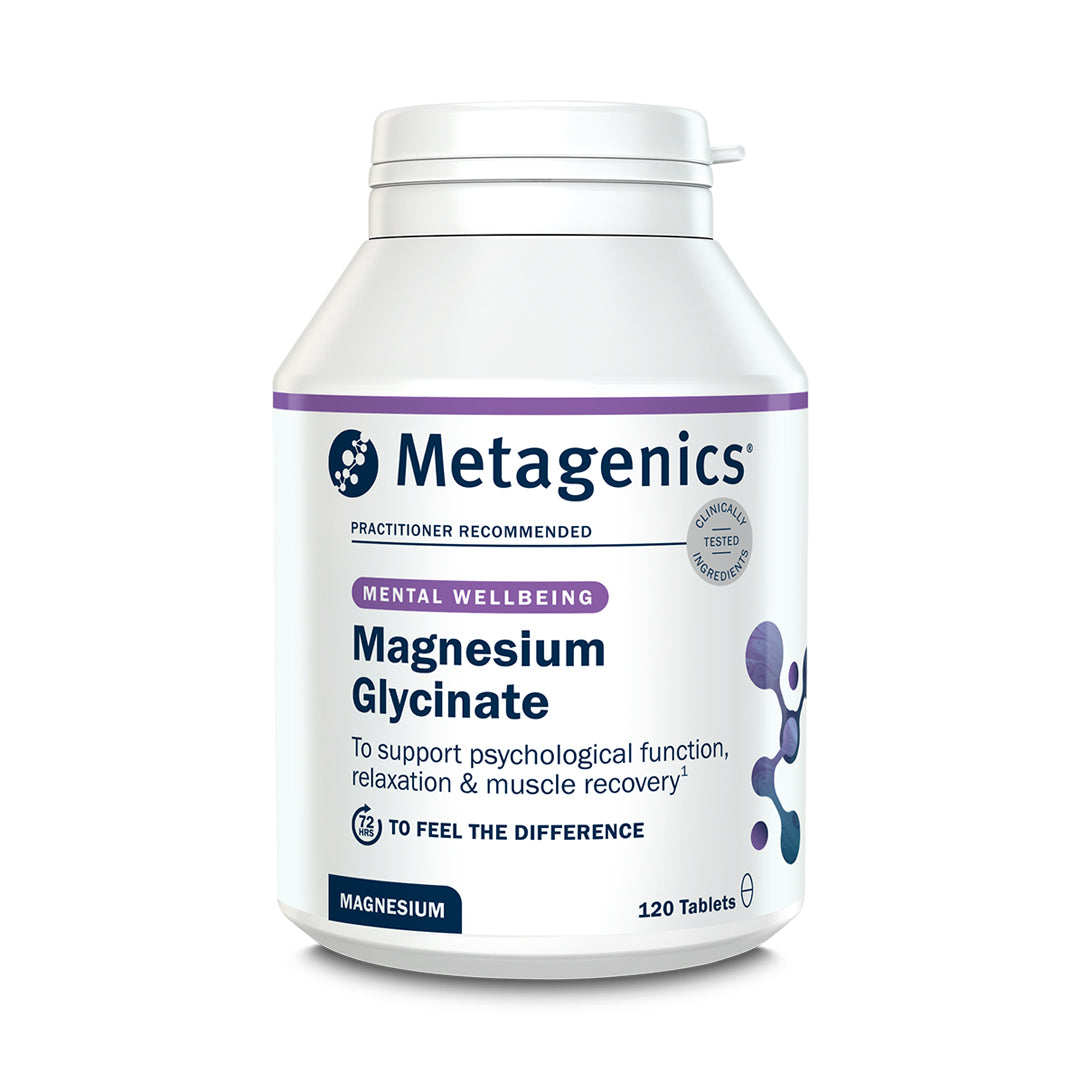 |
Magnesium Glycinate - 120 Tablets | Metagenics Metagenics Magnesium Glycinate delivers a high‑strength, highly bioavailable form of magnesium designed to support restful sleep, muscle recovery, relaxation, and healthy energy production.  |
While magnesium is generally safe, athletes should always check with a healthcare professional before starting any new supplement. especially if they have medical conditions, take medication, or compete at a level where supplementation protocols must be monitored.
Why Choose Supplement Hub?
At Supplement Hub, we’re committed to supporting athletes with trusted, practitioner‑approved supplements. Our products are:
- Sourced from well‑known, reputable brands
- Backed by science‑led formulations
- Curated by experts like Josephine Smith, our in‑house sports nutrition specialist
- Stored and shipped under high‑quality conditions
- Free from unnecessary fillers and low‑grade ingredients
We partner only with brands that meet strict standards for purity, potency, and transparency, ensuring athletes get supplements they can rely on, whether they’re training for performance, recovery, or long‑term health. Please feel free to call us on 0114 7005677 if you want to know more or speak to our expert nutrition team.

