


Vitamin D gets talked about most in winter, short days, grey skies, and the inevitable slump in natural sunlight. But here’s the twist: your body can still benefit massively from Vitamin D supplementation even on bright, sunny days. Sunshine helps, but it doesn’t guarantee optimal levels, and many people in the UK struggle to maintain healthy Vitamin D status year‑round. Which leaves many wondering, should you take vitamin D all-year round?
Vitamin D is produced when your skin is exposed to UVB rays. In theory, sunny days should be enough. In reality, several factors limit how much Vitamin D your body actually makes, meaning sunshine alone often isn’t enough to keep Vitamin D levels optimal, even in summer. So, do you need to take vitamin D in the summer? Our in-house practitioner and health expert, Josephine Smith, explains.
Vitamin D: Why It Matters Even When the Sun Is Shining
Modern life keeps us indoors
In an ideal world, we’d spend long stretches of time outdoors, soaking up natural sunlight and effortlessly producing the Vitamin D our bodies rely on. But modern life looks very different. Even on bright, sunny days, most of us spend the majority of our time inside, working, commuting, exercising at the gym, or simply avoiding the midday heat. The result is simple but significant: our skin rarely gets the direct UVB exposure it needs to make Vitamin D.
From office jobs to remote work setups, indoor living has become the default. Many people leave the house early, return late, and spend the hours in between under artificial lighting. Even leisure time often happens indoors, cafés, shopping centres, gyms, or home environments. All of this means that sunlight exposure is short, inconsistent, and often too weak to trigger Vitamin D synthesis.
A common misconception is that sitting by a sunny window provides some Vitamin D benefit. Unfortunately, it doesn’t. Glass blocks UVB rays, the specific wavelength responsible for stimulating Vitamin D production in the skin. So while sunlight pouring through your window may brighten your mood, it does nothing for your Vitamin D levels.
Sunscreen reduces Vitamin D synthesis
Sunscreen is one of the most important tools we have for protecting our skin. It shields us from UV damage, premature ageing, and skin cancer. But there’s one side‑effect many people don’t realise: sunscreen also reduces your body’s ability to produce Vitamin D.
Your skin makes Vitamin D when it’s exposed to UVB rays, a specific wavelength of sunlight that triggers Vitamin D synthesis. Sunscreen works by blocking or absorbing UVB, which is exactly why it prevents burning and long‑term skin damage. But because UVB is the same wavelength needed for Vitamin D production, sunscreen naturally reduces how much Vitamin D your skin can make. Research shows that SPF 30 can reduce Vitamin D synthesis by up to 95%. Higher SPFs block even more.
It’s tempting to think you should avoid sunscreen to “get more Vitamin D,” but that approach comes with serious risks. UV exposure is the number‑one cause of skin cancer, and even short periods of unprotected sun can damage the skin. The solution isn’t less sunscreen, it’s better Vitamin D support.
UK sunlight isn’t strong enough year‑round
Many people assume that living in the UK means they get “enough sun” to maintain healthy Vitamin D levels, especially during summer. But the reality is very different. UK sunlight simply isn’t strong enough throughout the year to support consistent Vitamin D production, and even in the warmer months, several environmental and lifestyle factors limit how much UVB your skin actually receives.
Vitamin D is produced when your skin is exposed to UVB rays, but in the UK, UVB strength varies dramatically depending on the season, time of day, weather, latitude, and even pollution levels.
Meaningful Vitamin D production typically happens only between April and September.
Even within those months, UVB is strong enough only around midday, roughly between 11am and 3pm. Outside of this window, October through March, the sun is too low in the sky for your skin to make Vitamin D at all.
This means that for more than half the year, your body cannot produce Vitamin D from sunlight, no matter how bright it looks outside.
Even during peak Vitamin D months, UK weather is famously unpredictable. Cloud cover, haze, and pollution all reduce UVB intensity. Add in the UK’s northern latitude and the window for effective Vitamin D synthesis becomes even smaller.
Vitamin D isn’t just a “winter nutrient.” It plays a crucial role in several systems that operate every single day:
- Immune function — supports your body’s ability to fight illness.
- Bone strength — helps regulate calcium and maintain skeletal health.
- Mood regulation — low levels are linked to low mood and fatigue.
- Hormone balance — influences reproductive and metabolic health.
These systems don’t pause in summer. They rely on steady Vitamin D levels year‑round.
So if your levels dip, even slightly, you may feel the effects in:
- lower energy
- reduced immunity
- mood fluctuations
- hormonal imbalance
This is why many people experience fatigue, low mood, or frequent illness even during sunny months.
Many people start summer already vitamin D deficient
If your Vitamin D levels are low at the start of spring, sunshine alone may not be enough to restore them. Supplementation helps build and maintain healthy levels so your body can benefit from sunlight more effectively.
So, should you take Vitamin D in summer?
For many people, yes, especially if you:
-
Work indoors
-
Use sunscreen daily
-
Live in the UK or northern climates
-
Have darker skin (which naturally produces less Vitamin D from sunlight)
- Experience low mood, fatigue, or frequent illness
- Want consistent support for immunity, bones, and hormones
Supplementation isn’t just a winter strategy; it’s a year‑round foundation for wellbeing.
Vitamin D in the summer: the bottom line
Even on bright, sunny days, your body may not produce enough Vitamin D to meet its needs. Supplementation helps maintain stable levels, supports essential systems, and keeps you feeling your best, whatever the weather.
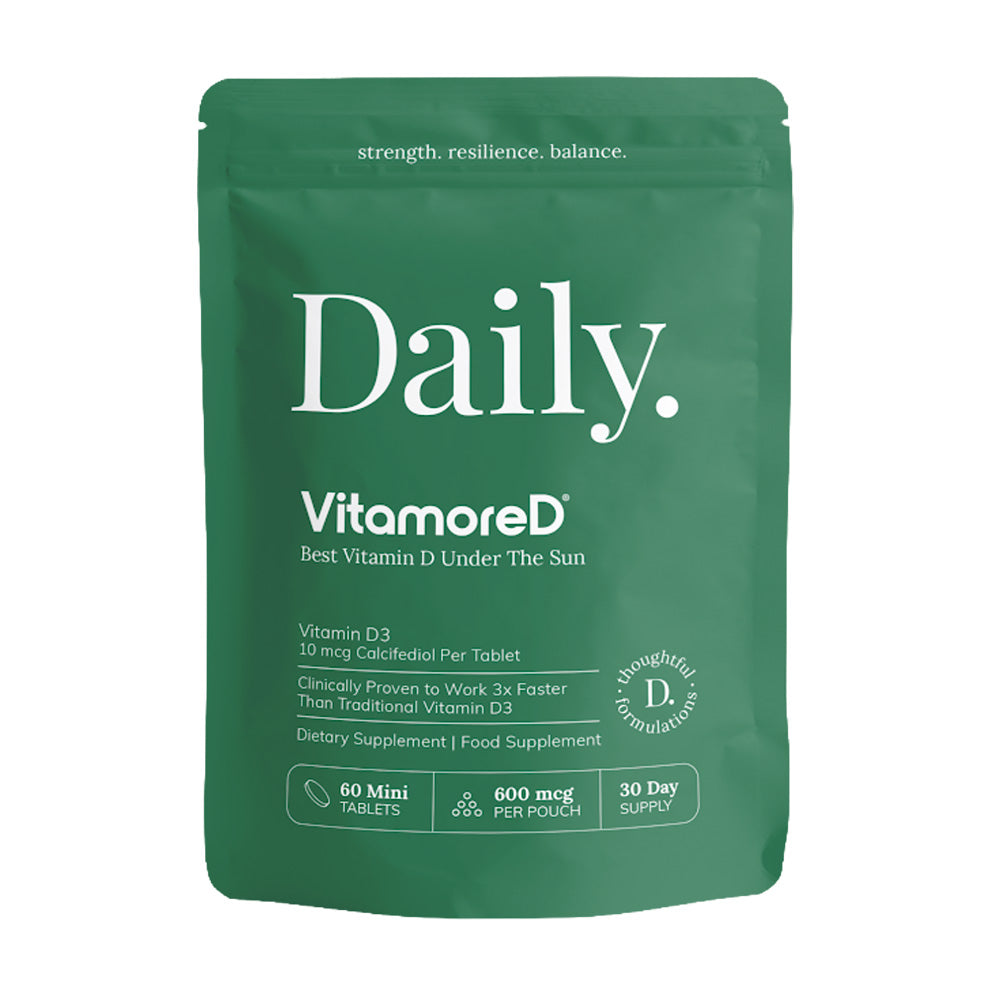 |
VitamoreD Fast-Acting Vitamin D3 with Active Form Calcifediol - 60 tablets - 1 month supply  |
 |
Seeking Heath Vitamin D3 + K2 - 60 Capsules - 2 month supply
|
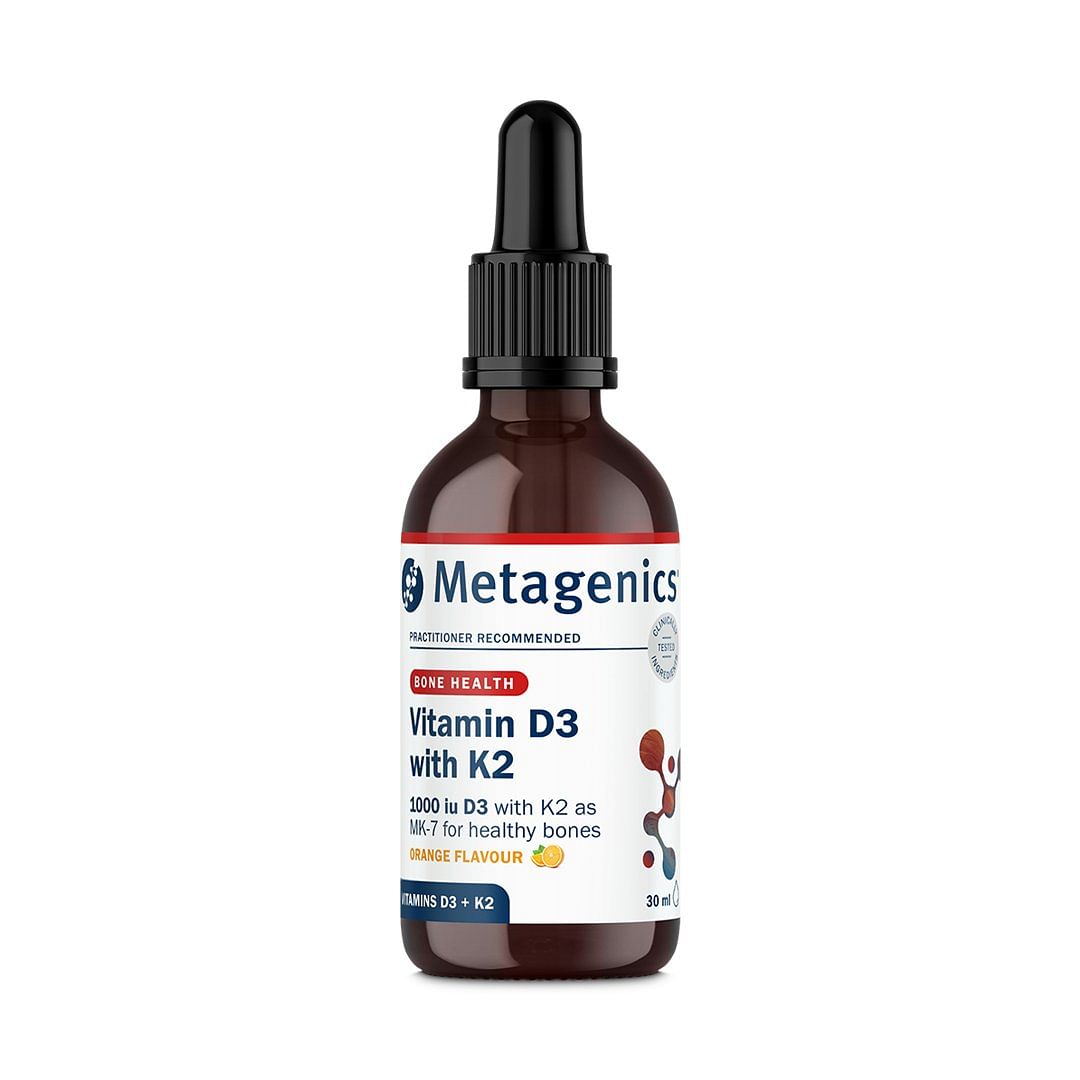 |
Vitamin D3 with K2 - 30ml | Metagenics - 1 month supply
|

