


Calcium is an essential mineral and the most abundant macro-mineral in the human body, responsible for providing the hard, structural framework of our skeleton while fueling critical daily biological processes. From triggering every heartbeat and muscle contraction to transmitting vital nerve impulses between the brain and tissues, calcium is a fundamental building block of human health.
As we move into our mature years, our body's natural capacity to absorb and retain calcium slows down, making consistent mineral intake far more vital than in early adulthood. In this comprehensive guide, In-House Practitioner and Nutritionist Josephine Smith explores everything you need to know about optimizing calcium levels in later life, from the core physical benefits for bone, muscle, and heart health to tailored age-based dosages, food sources, and high-absorption supplement strategies.
Key Takeaways
- Essential for Functional Independence: Beyond maintaining bone density and preventing post-menopausal bone loss, calcium plays an essential role in muscle contraction, reflex speed, and nerve signaling to help maintain balance and prevent falls.
- Requirements Increase with Age: Natural declines in digestive efficiency and hormonal shifts mean that Calcium needs should be considered alongside vitamin D status, physical activity and other risk factors for bone loss.
- Absorption Demands Synergistic Support: Calcium cannot work effectively in isolation; pairing dietary or supplemental calcium with Vitamin D3 (and supporting cofactors like Vitamin K2 and Magnesium) is crucial for intestinal absorption and directing minerals straight into the bone matrix.
What are the benefits of calcium for older adults?
Unlike many other nutrients, we’re taught about calcium’s role in the body from as early as childhood, as it’s renowned for supporting healthy bones and teeth. However, its benefits extend far beyond bone structure—it also plays a critical role in everyday bodily functions, making consistent calcium intake important throughout every stage of life, especially in your senior years when the body's natural ability to absorb minerals begins to slow down.
Here are the key ways calcium supports health and vitality in older age:
- Protects Bone Density and Reduces Fracture Risk: As we age, our bones naturally lose density, placing older adults, particularly post-menopausal women, at a higher risk for osteopenia and osteoporosis. Calcium helps slow this bone loss, maintaining skeletal strength and significantly lowering the risk of accidental fractures and falls
- Supports Muscle Function and Contraction: Calcium is essential for smooth muscle movement. Every time you bend a knee, take a walk, or grip an object, your body relies on calcium ions to help muscle fibers contract and relax efficiently, preventing stiffness and painful cramping.
- Maintains Healthy Heart Rhythms and Circulation: Your heart is a muscle that relies on precise electrical impulses to pump blood. Calcium helps regulate these nerve signals, ensuring a steady, healthy heart rhythm.
- Promotes Nerve Signal Transmission: Beyond muscle movement, calcium acts as a vital messenger within your central nervous system. It facilitates seamless communication between your brain and the rest of your body, supporting reflexes, balance, and cognitive responsiveness.
- Preserves Dental and Jawbone Health: Calcium doesn't just protect long bones; it also preserves the integrity of your teeth and the underlying jawbone structure. Adequate calcium levels help keep tooth enamel strong and prevent the jawbone degradation that often leads to tooth loss in later years.
Healthy bones and teeth
When it comes to essential minerals, calcium is the undisputed structural backbone of the human body. In fact, an incredible 99% of your body's calcium supply is stored directly in your skeleton and teeth, where it provides the hard, rigid framework required to keep you upright, active, and resilient. The remaining 1% circulates in your blood and tissues to fuel vital daily functions like nerve signaling and heart contraction. However, if your dietary intake falls short, your body will instinctively "borrow" calcium from your bone bank to keep those critical biological processes running, a mechanism that can severely compromise your skeletal structure over time.
For older adults, maintaining this internal mineral bank becomes increasingly vital. As part of the natural aging process, bone breakdown begins to outpace bone formation, gradually thinning the inner architectural matrix of your skeleton. This structural decline is particularly pronounced in post-menopausal women. Following menopause, the body experiences a sharp decline in estrogen, a key hormone responsible for protecting bone mass and promoting calcium retention. Without estrogen's protective shield, women can lose up to 20% of their bone density in the five to seven years immediately following menopause, significantly elevating the risk of developing osteopenia, osteoporosis, and painful, debilitating fractures. Note that the the exact amount lost varies by individual, skeletal site, age at menopause, baseline bone density and other risk factors.
It isn't just your hips and spine that depend on adequate calcium; your oral health relies heavily on it, too. Calcium works continuously to reinforce tooth enamel, the hard outer shield that protects against decay, while preserving the structural density of the jawbone. In later years, a weakening jawbone can cause teeth to shift, loosen, or fail completely, making proper nutrition essential for preserving your smile and maintaining easy, pain-free chewing.
By pairing a diet rich in bioavailable calcium with targeted nutritional support, such as our specialized Menopause & Post-Menopause Collection, you can proactively safeguard your skeletal density, preserve your dental integrity, and protect your mobility through every stage of mature life.
Supports muscle function
While calcium is widely celebrated for its role in bone strength, its job is far from done once your skeleton is formed. Behind the scenes, calcium acts as the primary molecular trigger that allows your muscles to move, react, and stay strong.
At a biological level, every time your brain sends a signal for a muscle to move, calcium ions are released into the muscle cells. These ions bind to specialized proteins (troponin and tropomyosin), shifting their position and allowing muscle fibers to bind together and shorten, creating a muscle contraction. Once the movement is complete, calcium is actively pumped back out of the cell, allowing the muscle fibers to slide apart and fully relax. Without sufficient calcium circulating in your system, this delicate contraction-relaxation balance breaks down, leading to persistent muscle weakness, stiffness, painful spasms, and unexpected cramping.
For older adults, maintaining smooth, responsive muscle function is directly tied to everyday independence and quality of life. As we age, natural age-related muscle loss (sarcopenia) can make daily physical tasks feel increasingly demanding. Ensuring your muscles have the precise calcium balance needed to contract and relax efficiently offers several critical benefits for healthy aging:
- Reduces the Risk of Falls: Proper muscle responsiveness ensures your legs, core, and stabilizing muscles can react instantly to trips, stumbles, or uneven pavement, helping you maintain your balance and prevent dangerous falls.
- Preserves Independent Mobility: Strong, well-regulated muscle contractions enable you to walk unassisted, climb stairs comfortably, rise from chairs smoothly, and handle daily errands without relying on walking aids or constant physical assistance.
- Enhances Balance and Reflex Speed: Quick communication between your nervous system and muscle fibers helps keep your gait steady and improves your overall coordination during movement.
- Supports Fine Motor Skills: From gripping a teacup to opening jar lids or buttoning a shirt, efficient micro-contractions in your hands and wrists help you retain fine motor control and manual dexterity.
Supports nerve function
While calcium is almost universally recognized for building strong bones and teeth, its essential role in maintaining the nervous system is far less commonly discussed. Yet, without calcium, the intricate communication network connecting your brain, spinal cord, and tissues would quickly grind to a halt.
At the cellular level, calcium acts as a key chemical messenger that enables nerve cells to communicate. When a nerve impulse travels down a cell and reaches a nerve ending, it triggers a surge of calcium into the cell. This rapid influx forces the nerve ending to release chemical messengers called neurotransmitters. These neurotransmitters jump across the tiny gap between cells, the synapse, to pass the message along to the next neuron, muscle cell, or organ. In essence, calcium acts as the electrical switchboard operator, ensuring that every command from your brain reaches its intended destination.
As we age, maintaining clear, reliable nerve signaling becomes increasingly important for preserving bodily control and overall quality of life. Healthy nerve function underpins everything from basic reflexes and tactile sensation to cognitive processing and coordinate movement:
- Sustains Precise Motor Control & Coordination: Calcium supports the normal functioning of the nervous system by helping nerve cells transmit signals and communicate with other cells.
- Maintains Tactile Sensation & Touch Perception: Reliable nerve signaling keeps sensory receptors in your hands and feet sharp, allowing you to accurately gauge temperatures, feel textures, and sense the ground beneath your feet for stable walking.
- Protects Autonomous Bodily Responses: Beyond conscious movement, your nervous system regulates involuntary, life-sustaining functions like your heart rate, digestion, and breathing, all of which rely on continuous calcium-dependent signaling.
- Supports Balance & Spatial Awareness: Quick nerve response times ensure that sensory information from your eyes, inner ears, and feet reaches your brain instantly, allowing your body to continuously make subtle adjustments to stay upright and balanced.
Why is calcium important as we get older?
While getting enough calcium is essential throughout every stage of life, maintaining optimal levels becomes a critical pillar of healthy longevity as time goes on. The combined biological impacts of calcium on bone structural integrity, muscle contractility, and nervous system signaling don't operate in isolation, they work synergistically to protect your independence, physical resilience, and quality of life as you navigate your mature years.
Understanding the unique value of calcium for adults and calcium for seniors highlights why this foundational mineral is indispensable for aging gracefully:
- Sustained Skeletal Resilience: While adults in their 30s and 40s focus on maintaining baseline peak bone mass, calcium for seniors becomes a crucial defensive strategy against rapid age-related bone remodeling. Protecting your skeletal architecture is the single most effective way to prevent debilitating fractures, maintain upright posture, and avoid loss of height.
- Preserving Functional Independence: The combination of responsive muscle function and rapid nerve signal transmission ensures you can navigate your surroundings safely. For aging adults, strong muscles and sharp reflexes mean staying agile enough to prevent accidental falls, carry your own groceries, climb stairs confidently, and live fully unassisted.
- Supporting Long-Term Cognitive & Sensory Precision: Keeping the body's neural pathways firing efficiently helps maintain sharp tactile sensation in your hands and feet, preserving fine motor skills and steady spatial awareness.
Critical Cardiovascular Support & Healthy Aging
Beyond the musculoskeletal system, another vital, yet frequently overlooked, benefit of calcium is its role in supporting long-term cardiovascular function. Your heart is a relentless muscular pump that relies on precise calcium ion influxes to generate every single heartbeat. Calcium regulates the contraction and relaxation cycles of the cardiac muscle cells, ensuring a steady, synchronized rhythm.
Furthermore, calcium plays a key role in vascular tone, helping the smooth muscle tissues within blood vessel walls contract and dilate appropriately to maintain healthy blood pressure levels already within a normal range.
As we get older, cardiovascular health becomes the cornerstone of longevity. Blood vessels naturally lose some of their youthful elasticity over time, putting additional workload on the heart. Ensuring optimal intake of calcium for adults, especially when paired with synergy nutrients like Vitamin D3 and Vitamin K2 that direct calcium straight into bones rather than arterial walls, supports vascular flexibility, maintains efficient blood circulation, and protects long-term heart vitality. Prioritizing calcium in your daily regimen is not just about staying strong today; it is an investment in your overall cardiovascular endurance and healthy aging for decades to come.
How much calcium do adults need each day?
Understanding the correct recommended daily calcium intake for adults is essential for maintaining healthy bone density and systemic well-being. However, your body’s nutritional demands change over time, meaning the ideal daily dose of calcium for adults shifts significantly as you step into different stages of life.
Baseline Guidelines Across Age Groups
For most healthy individuals, the baseline recommended daily calcium intake for adults falls into two primary age brackets:
- Adults Aged 19 to 50: The standard recommended daily amount is 1,000 mg per day. During these years, your body is generally effective at balancing bone breakdown and bone synthesis, maintaining your mineral reserves.
- Adults Aged 50 and Older: Around age 50, recommended daily levels increase to 1,200 mg per day.
As Josephine Smith, Nutritionist and In-House Practitioner at Supplement Hub, points out:
"As we reach our 50s, the body's natural efficiency at absorbing and utilizing calcium begins to decline. This age bracket is typically when you should look to up your dose to 1,200 mg daily, as bone mineral density naturally begins to drop and nutrient absorption efficiency decreases."
Who Needs Higher Levels of Calcium?
While general guidelines offer a solid benchmark, a one-size-fits-all approach doesn't account for specific physiological transitions or medical conditions. Several groups often require additional calcium support or closer monitoring of their daily intake:
-
Post-Menopausal Women: Estrogen plays a critical protective role in bone preservation. The sharp drop in estrogen levels following menopause accelerates bone loss, making it vital for post-menopausal women to achieve a consistent daily dose of calcium for adults of at least 700 mg (often paired with Vitamin D3 and K2) to mitigate osteoporosis risk. * (UK Adult Reference Intake)
- Pregnant and Breastfeeding Women: Developing babies and nursing infants draw heavily on maternal calcium stores. To protect the mother's skeletal integrity while supporting fetal bone development, adequate calcium intake is crucial during pregnancy and lactation.
- Individuals with Gastrointestinal Conditions: Conditions such as celiac disease, Crohn's disease, ulcerative colitis, or inflammatory bowel disease (IBD) can damage the intestinal lining. This structural damage impairs nutrient absorption, meaning higher dietary intake or targeted supplementation is often needed to meet baseline requirements.
- Those on Plant-Based Diets or with Dairy Intolerances: Individuals who exclude dairy products, a primary dietary source of bioavailable calcium, may find it challenging to hit 1,000 to 1,200 mg per day strictly through food, often requiring a tailored calcium tablet dose for adults to bridge the nutritional gap.
When considering a calcium tablet dose for adults, it is best to aim for 500 mg or less per single dose, as the digestive tract absorbs smaller amounts of calcium far more efficiently than large, single-serving boluses. Spreading your intake across food sources and supplementation throughout the day ensures maximum bioavailability and optimal skeletal support.
Do calcium requirements change with age?
Yes, calcium requirements change significantly throughout your lifetime, peaking during two distinct life stages: your teenage years and your senior years. While adults in their 20s, 30s, and 40s require a steady maintenance dose to keep their mineral stores filled, adolescence and late adulthood present unique biological demands that require a noticeable step-up in daily intake.
- The Teen Years (Rapid Skeletal Growth): During adolescence (ages 9 to 18), your body undergoes its most rapid period of bone development. Up to 90% of peak bone mass is acquired by age 18 in girls and age 20 in boys. To support this massive structural expansion, teenagers require approximately 1,000 mg of calcium daily, * (UK Adult Reference Intake) the highest recommended amount of any age group. Building dense, strong bones during these formative years creates a "skeletal bank account" that helps protect against bone fragility later in life.
- The Senior Years (Declining Absorption & Bone Loss): As we age into our 50s and beyond, the biological equation flips. Older adults naturally experience a decline in digestive absorption efficiency, meaning the gut absorbs less calcium from food than it used to. At the same time, age-related hormone shifts, most notably the sharp decrease in estrogen during menopause and gradual drop in testosterone in men, accelerate the rate at which bone matrix breaks down. To offset these losses and defend against osteoporosis, daily requirements jump from 1,000 mg back up to 1,200 mg per day for women over 50 and men over 70.
Understanding these life stages ensures you can adapt your dietary intake and targeted supplementation to meet your body's evolving skeletal needs.
What foods are rich in calcium?
When looking to optimize your diet for bone health, knowing which food rich in calcium for adults to add to your daily plate is the best place to start. While dairy products are traditionally recognized as the most potent dietary sources of this mineral, there is a wide array of vibrant, plant-based options available that make meeting your daily quota simple and delicious—no matter your dietary preferences.
Including a diverse blend of these nutrient-dense calcium foods for adults ensures a steady supply of bioavailable minerals to nourish your bones, muscles, and nerves every day:
Traditional Dairy Sources
- Parmesan & Hard Cheeses: Hard cheeses are among the most concentrated food sources of calcium available, with just one ounce of Parmesan delivering over 300 mg.
- Plain Greek Yogurt & Kefir: A single cup of plain Greek yogurt provides around 250–300 mg of calcium, along with beneficial probiotics that support the gut environment needed for mineral absorption.
- Whole or Semi-Skimmed Milk: A classic staple, one cup (8 oz) of cow's milk delivers approximately 300 mg of readily absorbable calcium.
Plant-Based & Whole Food Options
- Fortified Plant Milks & Juices: Many plant-based milk alternatives (such as almond, oat, or soy milk) and 100% orange juices are fortified with calcium, often matching or exceeding the 300 mg per serving found in dairy milk.
- Tofu (Calcium-Set): Tofu prepared with calcium sulfate is an exceptional plant-based powerhouse, offering up to 400–500 mg per half-cup serving.
- Leafy Green Vegetables: Dark greens like cooked kale, collard greens, and bok choy are excellent options. One cup of cooked collard greens packs roughly 268 mg of bioavailable calcium. (Note: While spinach is high in calcium, its high oxalate content binds to the mineral and reduces absorption, making greens like kale and bok choy superior choices).
- Canned Sardines & Salmon (with bones): Small canned fish eaten with their soft, edible bones are outstanding sources of both calcium and Vitamin D. A 3.5-ounce can of sardines supplies roughly 325 mg of calcium.
- Seeds & Nuts: Chia seeds, sesame seeds, and whole almonds offer a healthy dose of minerals alongside healthy fats; just two tablespoons of chia seeds provide around 179 mg of calcium.
For older adults who find it challenging to consistently hit 1,000 to 1,200 mg daily through dietary sources alone, or those with dairy sensitivities, pairing these calcium-rich foods with a high-purity, bioavailable supplement is an effective way to bridge any remaining nutritional gaps.
Calcium & Vitamin D: Why do older adults need both?
Even if your diet is packed with mineral-dense foods or high-potency supplements, calcium cannot protect your bones in isolation. To be effectively absorbed and utilized by the body, calcium relies entirely on a crucial biological partner: Vitamin D. Understanding the synergistic benefits of calcium and vitamin D is essential for older adults aiming to preserve skeletal density and prevent age-related mineral deficiencies.
The relationship between these two nutrients takes place primarily in the digestive tract. When you consume calcium, it enters the small intestine, where it must cross the intestinal wall into the bloodstream to reach your bones and tissues. However, the small intestine cannot absorb dietary calcium efficiently without enough active Vitamin D present.
Here is how the biological process works:
- Intestinal Transporter Synthesis: Vitamin D converts in the liver and kidneys into its active hormonal form (calcitriol). Calcitriol acts as a molecular key, binding to receptors in the small intestine to signal the synthesis of specialized calcium-binding proteins (such as calbindin).
- Active Mineral Absorption: These specialized proteins act as cellular escorts, actively transporting calcium ions across the intestinal lining and releasing them directly into the bloodstream.
- Preventing Skeletal Leaching: Without adequate active Vitamin D, the body can only absorb an estimated 10% to 15% of the calcium you consume. When blood calcium levels dip as a result, your parathyroid glands release parathyroid hormone (PTH), which signals the body to break down bone tissue to harvest the calcium it needs—gradually weakening your skeleton over time.
For older adults, this duo becomes even more vital. Aging skin produces significantly less Vitamin D from sunlight exposure, and aging kidneys become less efficient at converting Vitamin D into its active form. By pairing both nutrients together, you maximize intestinal absorption, ensure calcium is directed where it belongs, and unlock the full, protective benefits of calcium and vitamin D for healthy, resilient aging.
Can seniors take calcium with vitamin D3?
Yes… in fact, it’s highly recommended. As detailed above, calcium simply cannot fulfill its essential role in maintaining bone density and systemic health without adequate active Vitamin D present in the small intestine to facilitate its absorption into the bloodstream. For older adults in particular, whose natural capacity to synthesize Vitamin D from sunlight and absorb minerals through digestion declines with age, taking these two nutrients together is the most effective strategy for preserving skeletal strength.
When establishing a daily routine, the ideal calcium with vitamin D3 dosage for adults and seniors typically pairs 1,000 to 1,200 mg of bioavailable calcium with 1,000 to 2,000 IU (25–50 mcg) of Vitamin D3.
Because these two essential nutrients work hand-in-hand, many people choose to streamline their daily regimen by purchasing them together as a synergistic duo. Comprehensive formulas—such as Metabolic Maintenance Cal-Mag Plus or all-in-one multi-nutrient powders like NaturoBest Calcium Magnesium Plus K2 D3, combine balanced calcium and Vitamin D3 with supporting cofactors like magnesium and Vitamin K2, maximizing mineral uptake while ensuring calcium is directed right into the bone matrix.
How to choose a calcium supplement
Selecting the right calcium supplement isn't just about picking the highest number on the label, it’s about finding a formula that your body can easily digest, absorb, and comfortably integrate into your daily routine. As we age, our digestive environment changes, making factors like stomach acid levels, tablet size, and existing daily medications essential considerations when choosing the best format for your needs.
Understanding the unique calcium tablets benefits, alternate formats, and key chemical forms can help you make an informed decision for long-term skeletal health:
1. Match the Form of Calcium to Your Digestion
Calcium supplements primarily come in two major chemical forms, each behaving differently in the digestive tract:
- Calcium Citrate: Highly bioavailable and gentle on the stomach, calcium citrate does not require stomach acid for breakdown. This makes it the ideal choice for seniors, individuals taking acid-reducing medications (such as PPIs or H2 blockers), or those with sensitive digestive systems. It can be taken comfortably at any time of day, with or without food.
- Calcium Carbonate: This form delivers a concentrated dose of elemental calcium in a smaller tablet size, making it a common baseline choice. However, it requires robust stomach acid to dissolve and absorb properly, meaning it must always be taken alongside a meal. Because natural stomach acid production often declines with age, carbonate may occasionally cause mild bloating or constipation in older adults.
2. Consider Convenience and Swallowing Comfort
While traditional calcium tablets benefits include precise daily dosing, stability, and ease of travel, large pills can sometimes be difficult to swallow. If pill fatigue or difficulty swallowing (dysphagia) is a concern, don't let traditional tablets hold you back. High-quality calcium supplements are also widely available in flexible liquid serums, chewable forms, or soluble powders that mix seamlessly into water, yogurt, or daily smoothies.
3. Look for Synergistic Nutrients
Calcium rarely works alone. To ensure the calcium you consume is actually absorbed into the bloodstream and deposited directly into your skeleton, rather than settling in soft tissues or arterial walls, look for comprehensive formulas that pair calcium with key cofactors:
- Vitamin D3: Unlocks active calcium absorption in the small intestine.
- Vitamin K2 (MK-7): Activates osteocalcin, the protein that binds calcium to the bone matrix.
- Magnesium: Helps balance mineral transport and supports smooth muscle relaxation.
4. Check for Medication Interactions & Individual Needs
Always read product labels carefully and review elemental calcium amounts (the actual weight of the calcium mineral itself) rather than just the total compound weight. Most importantly, consult your GP or a qualified practitioner before starting a new regimen. Calcium can interact with common prescription medications, including thyroid hormones, certain antibiotics, and osteoporosis therapies, so timing your doses a few hours apart from other medications is often necessary.
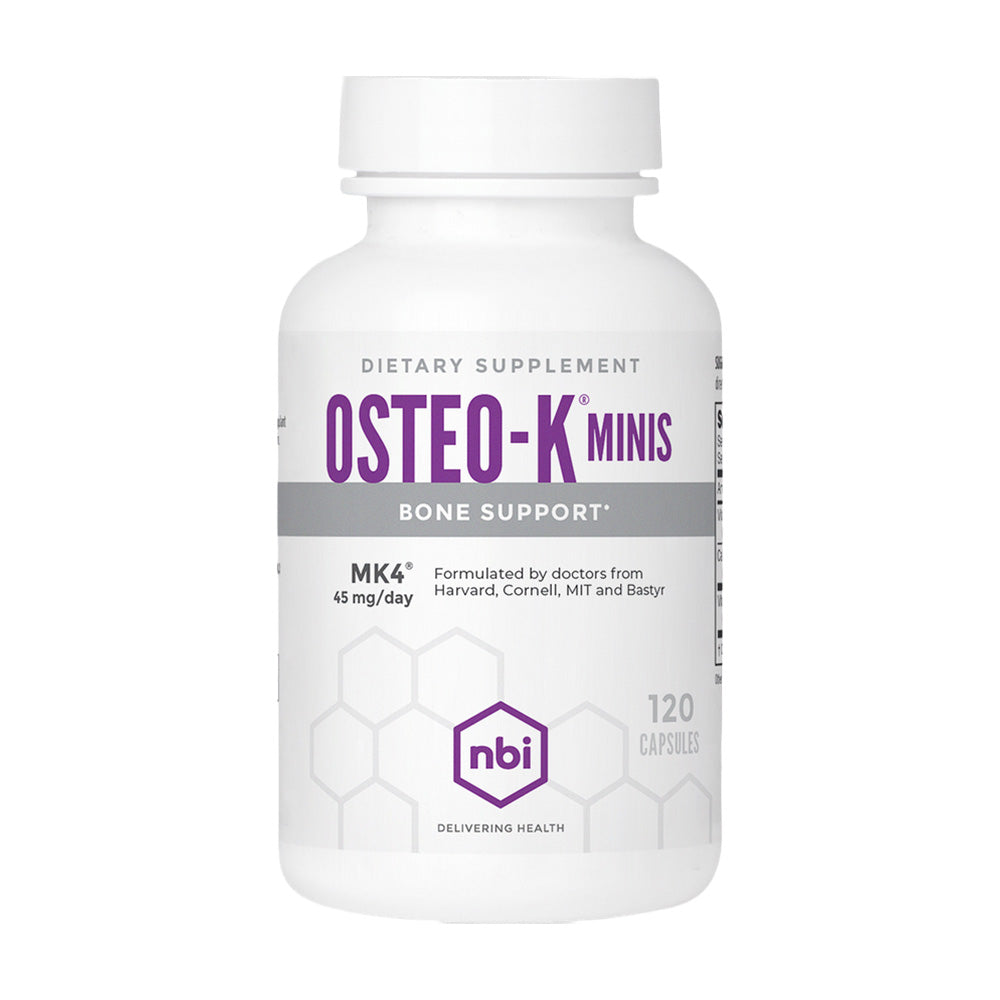 |
Osteo-K Minis - 120 Capsules | NBI Health Osteo-K® Minis combines 45 mg/day of MK4® (Vitamin K2), 400 mg of calcium citrate, and 2,000 IU of Vitamin D3 to maintain healthy bone density, support bone collagen production, and reduce the risk of osteoporosis in an easy-to-manage, lower-calcium formula.  |
Expertly Sourced Calcium Supplements for Bone Support
At Supplement Hub, every product is carefully vetted, ethically sourced, and selected by experienced practitioners to ensure exceptional purity and optimal bioavailability. We understand that as your body changes over the years, finding targeted, high-quality nutrition becomes fundamental to maintaining your strength, energy, and independence. If you're ready to safeguard your skeletal health and nourish your body from within, explore our practitioner-grade Calcium Collection to find the ideal formula for your lifestyle.
Navigating your wellness journey in your mature years doesn't end with bone health alone. To discover complete nutritional support tailored specifically to your stage of life, read our comprehensive guide on choosing the best vitamins for seniors.