


When comparing turmeric vs curcumin, the key distinction is that turmeric is the whole golden-orange root used in cooking and traditional wellness, while curcumin is the primary active polyphenol extracted from within that root. Drawing on the longevity expertise of Josephine Smith (BSc Health Science), understanding how turmeric and curcumin differ in potency and absorption helps clarify which option suits your goals, whether you are looking for gentle, everyday culinary support or a concentrated turmeric curcumin supplement for targeted joint, antioxidant, and inflammatory balance.
Key takeaways:
- Whole Root vs. Active Compound: When looking at curcumin vs turmeric, turmeric is the whole plant rhizome (Curcuma longa) containing roughly 2% to 5% curcumin by weight alongside natural essential oils, whereas curcumin is the isolated bioactive compound responsible for most of its studied benefits.
- Potency & Bioavailability Matter: Because raw curcumin is poorly absorbed on its own, concentrated supplements paired with absorption enhancers (such as black pepper extract or phospholipid complexes) deliver far higher, more bioavailable levels than culinary turmeric powder alone.
- Match the Form to Your Goal: Whole turmeric works well for everyday dietary nourishment and digestive support, while a standardised curcumin extract is better suited for targeted joint comfort, exercise recovery, and cellular longevity support.
What Is Turmeric?
Turmeric is a vibrant golden-orange spice derived from the rhizome (underground stem) of Curcuma longa, a flowering plant in the ginger family (Zingiberaceae). Native to South and Southeast Asia, with India serving as its primary producer, this earthy, slightly peppery root has been harvested, boiled, dried, and ground into a fine powder for thousands of years.
Long before appearing in modern wellness routines, turmeric held a central place in traditional Ayurvedic and Chinese health practices, where it was prized as a warming botanical tonic to support digestion, joint comfort, and overall vitality. In the kitchen, it remains an indispensable culinary staple, lending its signature warm colour and subtle bitterness to curries, broths, golden milk lattes, and roasted dishes across the globe.
Today, turmeric has surged in popularity as a concentrated nutritional supplement for individuals seeking targeted daily support beyond what culinary use alone can provide. While the whole root offers a complex matrix of natural plant compounds, turmeric contains curcumin, its most extensively researched active polyphenol and the primary curcuminoid responsible for both its bright yellow hue and its renowned antioxidant and inflammation-balancing properties.
What Is Curcumin?
Curcumin is the primary bioactive polyphenol and the most abundant member of a group of plant compounds called curcuminoids, naturally occurring within the root of Curcuma longa (turmeric). Responsible for turmeric’s signature golden-yellow pigment, the natural curcumin in turmeric drives the vast majority of the botanical’s studied health benefits.
Because of its notable antioxidant and anti-inflammatory properties, manufacturers frequently isolate and concentrate curcumin from turmeric for use in targeted nutritional supplements. On a cellular level, curcumin helps neutralise free radicals while supporting the body’s natural antioxidant defences and healthy inflammatory responses, making it a sought-after nutrient for joint comfort, post-exercise recovery, and overall cellular protection.
Understanding how isolated curcumin differs from whole turmeric comes down to composition and potency:
- Whole Turmeric: Retains the full matrix of the raw root, including natural essential oils (such as turmerones), plant fibres, and trace curcuminoids, offering gentle, broad-spectrum botanical nourishment.
- Concentrated Curcumin Extracts: Isolate and standardise the active curcuminoids, delivering a substantially higher, consistent dose of the key bioactive compound per serving.
Because everyone’s physiology and wellness goals are unique, one variant may prove more beneficial to one person than the other. Someone seeking gentle digestive or everyday culinary support may thrive on whole turmeric, while another individual addressing targeted joint or inflammatory needs may respond far better to an isolated extract. However, if you are specifically looking for the therapeutic benefits of curcumin, investing in a concentrated curcumin supplement is essential, as whole turmeric root naturally contains only a very small amount of curcumin by weight.
Is Curcumin the same as Turmeric?
No, curcumin is not the same as turmeric, although the two are closely related, they refer to different things. If you have ever wondered, “is turmeric the same as curcumin?” or “are curcumin and turmeric the same?”, the simplest way to think about it is as the relationship between a whole plant and its key active ingredient.
Turmeric is the whole golden-yellow root (Curcuma longa) used as a culinary spice and traditional herb, whereas curcumin is just one specific bioactive compound extracted from inside that root. So, while curcumin is not the same as turmeric, it is the primary natural compound responsible for most of turmeric’s renowned antioxidant and inflammation-balancing properties.
How Much Curcumin Is in Turmeric?
Raw turmeric root naturally contains a relatively small percentage of curcumin, typically around 2% to 5% by weight, though the exact concentration can vary significantly depending on the plant variety, soil quality, climate, and harvesting methods.
To put that into perspective, if a standard culinary teaspoon of ground turmeric weighs roughly 3 grams, it may only provide around 60 mg to 150 mg of natural curcumin. By comparison, a single serving of a concentrated, standardised curcumin supplement often delivers 500 mg or more of pure curcuminoids. Reaching that same level through cooking alone would require consuming several heaped tablespoons of turmeric powder every single day, which is why concentrated extracts are the preferred choice for targeted, consistent daily support.
Turmeric Powder vs Curcumin Supplements: What’s the Difference?
When comparing turmeric powder vs curcumin supplements, the primary differences come down to concentration, standardisation, and how efficiently the body can absorb the active compounds.
- Culinary Turmeric Powder: Made by drying and grinding the whole Curcuma longa root, culinary turmeric is ideal for flavouring curries, soups, and golden milk. However, because it is an unstandardised whole food, its natural curcumin content typically sits around just 2% to 5% by weight.
- Whole Turmeric Supplements: Encapsulated whole turmeric root powder offers a convenient, taste-free way to consume the complete plant matrix, including natural essential oils and fibres, without cooking, though its curcumin potency remains relatively modest.
- Concentrated Curcumin Supplements: Often labelled as a standardised turmeric curcumin extract, these formulas isolate and concentrate the active curcuminoids (frequently standardised to 95%), delivering a substantially higher and more reliable dose of curcumin per capsule than food or raw root powder could realistically provide.
Beyond sheer concentration, absorption plays a decisive role in how well the body can actually utilise these compounds. As Josephine Smith notes when discussing potency and bioavailability, raw curcumin is naturally fat-soluble and poorly absorbed on its own, meaning much of what is consumed in culinary turmeric powder is rapidly metabolised and excreted before reaching systemic circulation. Concentrated supplements often address this challenge by pairing a standardised turmeric curcumin extract with absorption, enhancing technologies, such as piperine (black pepper extract), phospholipid complexes, or liposomal delivery systems, allowing individuals seeking targeted joint, antioxidant, or inflammatory support to achieve consistent, therapeutic levels with ease.
Who should not take curcumin or turmeric?
While culinary turmeric is generally well tolerated as part of a balanced diet, concentrated turmeric and curcumin supplements deliver substantially higher doses of bioactive compounds that are not suitable for everyone. Because curcumin actively interacts with several physiological pathways, including bile production, blood clotting, and liver enzyme metabolism, certain groups should avoid supplementation or consult a qualified healthcare practitioner beforehand:
- People with Gallbladder or Bile Duct Conditions: Curcumin stimulates gallbladder contraction and increases bile flow. While beneficial for general digestion, this action can worsen symptoms or trigger complications in individuals with gallstones, bile duct obstructions, or active gallbladder disease
- Those Living with Liver Conditions: High-dose or enhanced-bioavailability curcumin extracts have occasionally been linked to elevated liver enzymes or hepatotoxicity in sensitive individuals. Anyone with pre-existing liver disease or impaired hepatic function should avoid concentrated supplements unless supervised by a doctor.
- Individuals Taking Blood Thinners or Antiplatelet Medications: Curcumin possesses natural antiplatelet (blood-thinning) properties that can slow blood clotting. Combining supplements with anticoagulant medications (such as warfarin), antiplatelet drugs (like clopidogrel or aspirin), or upcoming surgical procedures can increase the risk of bruising and bleeding.
- People on Blood Sugar or Blood Pressure Medications: Because curcumin may modestly lower blood glucose and blood pressure levels, taking it alongside prescription diabetes or antihypertensive drugs could amplify their effects and lead to hypoglycaemia or hypotension.
- Individuals with Iron Deficiency: High intakes of curcumin can bind to iron in the digestive tract and inhibit its absorption, making concentrated supplements unsuitable for people managing iron-deficiency anaemia.
- Pregnant or Breastfeeding Women: Although normal culinary amounts of turmeric in food are considered safe, high-dose curcumin supplements are not recommended during pregnancy or lactation due to insufficient safety data and potential uterine-stimulating effects at concentrated levels.
What Are the Health Benefits of Turmeric and Curcumin?
The wide-ranging turmeric curcumin benefits stem primarily from their potent antioxidant and inflammation-balancing properties. If you would like a deeper look at how the whole golden root supports everyday wellness, you can explore our dedicated guide on the health benefits of turmeric. In short, both compounds help neutralise free radicals, defend cells against oxidative stress, and modulate the body's natural inflammatory pathways, making the benefits of turmeric curcumin capsules especially popular for active lifestyles and healthy ageing.
It is worth noting that the vast majority of modern clinical research focuses specifically on isolated curcumin, the primary bioactive polyphenol, rather than whole turmeric root alone, as concentrated extracts deliver measurable, standardised levels of active curcuminoids. With that distinction in mind, the key turmeric and curcumin benefits most frequently explored in scientific literature include:
- Joint Comfort & Mobility: Supporting healthy inflammatory responses in overworked joints, helping ease stiffness and maintain everyday flexibility.
- Antioxidant & Cellular Protection: Combating oxidative stress by neutralising free radicals and boosting the activity of the body's own endogenous antioxidant enzymes.
- Exercise & Muscle Recovery: Helping reduce post-workout soreness and exercise-induced inflammation so active individuals can recover more comfortably.
- Cardiovascular & Circulatory Support: Promoting healthy endothelial function, balanced oxidative markers, and overall heart wellness.
- Cognitive & Brain Health: Supporting neuroprotective pathways, mental clarity, and healthy ageing in the brain through antioxidant defence.
- Digestive & Gut Comfort: Encouraging healthy bile flow and soothing occasional digestive irritation as part of a balanced routine.
Whether obtained through whole-root preparations or concentrated extracts, understanding these core benefits of curcumin and turmeric makes it easier to choose a formula aligned with your individual wellness goals.
Turmeric Health Benefits
While concentrated extracts isolate individual compounds, whole turmeric root offers a synergistic spectrum of natural plant fibres, essential oils (such as turmerones), and bioactive curcuminoids that nourish the body gently and holistically:
- Digestive Comfort & Bile Flow: Traditionally used as a warming culinary tonic, whole turmeric stimulates healthy bile production in the liver and gallbladder, aiding fat digestion and easing occasional bloating or sluggishness after meals.
- Broad-Spectrum Botanical Synergy: Beyond curcuminoids, whole turmeric contains volatile essential oils, particularly aromatic turmerones, that work alongside polyphenols to support balanced cellular signalling and overall vitality.
- Gentle Everyday Antioxidant Defence: Regular culinary or whole-root intake provides steady, low-dose antioxidant support that helps protect cells against daily environmental free-radical exposure.
- Gut Microbiome Nourishment: Whole turmeric root supplies natural plant compounds and fibres that interact beneficially with gut bacteria, supporting intestinal barrier integrity and a balanced digestive environment.
- Immune & Seasonal Resilience: Prized for centuries in Ayurvedic wellness practices, warming turmeric preparations (such as golden milk or herbal infusions) help soothe the throat and support natural immune defences during colder months.
- Accessible Culinary Wellness: Easily incorporated into everyday cooking, broths, and teas, whole turmeric offers a sustainable, food-first way to maintain foundational inflammation balance without high-dose supplementation.
 |
Turmeric Tonic - 118ml | Vitanica Turmeric Tonic™ (118ml) by Vitanica is a convenient, concentrated liquid herbal formula from the Tasty Tonics® range, designed to support a healthy inflammatory response, joint comfort, and antioxidant protection. Combining whole turmeric root and concentrated curcumin with warming ginger and black pepper to maximise curcuminoid bioavailability, this easy-to-take daily tonic offers a fast-absorbing, capsule-free alternative for whole-body resilience.  |
Curcumin Health Benefits
Because concentrated curcumin extracts isolate and standardise the primary bioactive curcuminoids from Curcuma longa, they deliver targeted, higher-potency nutritional support studied extensively in clinical research:
- Targeted Inflammation Balance: Curcumin helps modulate key inflammatory signalling molecules in the body, offering concentrated support for maintaining healthy, balanced inflammatory responses.
- Joint Health, Comfort & Mobility: Widely researched for musculoskeletal wellness, standardised curcumin helps ease everyday joint stiffness, protect cartilage integrity, and support comfortable movement.
- Potent Antioxidant & Free-Radical Defence: Acting as both a direct free-radical scavenger and an upregulator of the body's internal antioxidant enzymes (such as glutathione and superoxide dismutase), curcumin defends cells and DNA against oxidative damage.
- Exercise Recovery & Muscle Soreness: Supplementation with bioavailable curcumin can help reduce delayed-onset muscle soreness (DOMS) and exercise-induced oxidative stress following intense physical training.
- Cognitive Function & Neuroprotection: By crossing the blood-brain barrier and supporting healthy inflammatory and antioxidant pathways in neural tissue, curcumin promotes mental clarity, memory, and long-term brain health.
- Cardiovascular & Endothelial Support: Concentrated curcumin helps support healthy blood vessel lining (endothelial) function, balanced lipid oxidation, and overall circulatory wellness.
- Metabolic & Liver Health Support: Research suggests curcumin aids healthy glucose metabolism, insulin sensitivity, and hepatic antioxidant defence against everyday metabolic stressors.
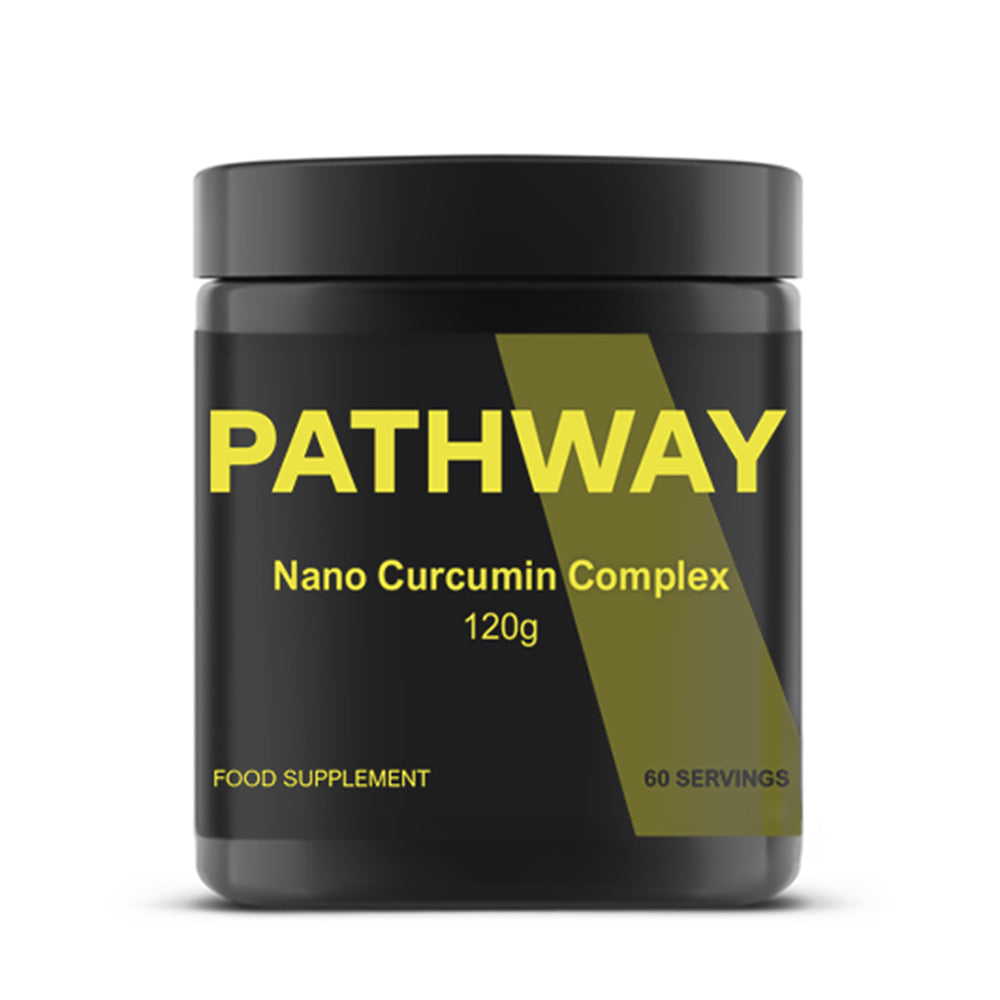 |
Nano Curcumin Complex - 120g | Pathway Nano Curcumin Complex (120g) by Pathway is an advanced, high-bioavailability botanical powder formulated with nano-particle Curcumin and Gingerol, Boswellia, Bromelain, and Piperine to support a healthy inflammatory response and joint comfort. Engineered using nano-particle technology to make its core actives completely water-soluble, this fast-absorbing complex facilitates direct cellular delivery for optimal therapeutic support without the poor absorption typical of standard turmeric powders. |
Turmeric vs Curcumin for Inflammation
When evaluating turmeric vs curcumin for inflammation, the primary distinction lies in potency and targeted biological activity. While whole turmeric root contains beneficial essential oils and plant polyphenols that support gentle, everyday wellness, curcumin is the specific active compound responsible for interacting directly with the body’s primary inflammatory pathways, such as modulating pro-inflammatory cytokines and enzymes like COX-2 and NF-κB.
Because raw turmeric powder typically contains only 2% to 5% curcumin by weight, achieving clinically meaningful levels through culinary spice alone is difficult. For this reason, scientific research overwhelmingly focuses on isolated, standardised curcumin extracts rather than whole turmeric when investigating targeted support for pain and inflammation. Concentrated supplements, especially those paired with absorption enhancers like piperine or phospholipid complexes, deliver a consistent, therapeutic dose that standard turmeric powder simply cannot match.
This distinction is particularly evident when looking at curcumin vs turmeric for arthritis and joint discomfort in clinical research:
- Joint Discomfort & Mobility: Multiple randomised controlled trials have found that standardised curcumin extracts (often dosed around 500 mg to 1,500 mg daily) significantly help reduce joint stiffness, swelling, and everyday discomfort compared to placebo.
- Osteoarthritis Clinical Trials: Several clinical studies, including trials published in Trials and the Journal of Medicinal Food, have compared concentrated curcumin extracts directly against conventional non-steroidal anti-inflammatory options (such as ibuprofen or diclofenac) in individuals with knee osteoarthritis. Researchers observed comparable improvements in physical function and joint comfort scores, with curcumin demonstrating a notably gentler gastrointestinal tolerability profile.
Ultimately, while adding culinary turmeric to meals provides valuable foundational antioxidant nourishment, a concentrated, bioavailable curcumin supplement offers clear advantages for individuals seeking targeted, research-backed support for stubborn joint stiffness and inflammatory balance.
Which Is Better: Turmeric or Curcumin?
When deciding turmeric or curcumin which is better, the truth is that neither option is universally superior, the right choice depends entirely on your individual wellness goals and how you plan to use it. Weighing up turmeric vs turmeric curcumin products comes down to whether you want gentle, food-first nourishment or targeted, high-potency support.
When Whole Turmeric Is Suitable: Whole turmeric root is ideal for everyday dietary use, culinary enjoyment, and general foundational wellness. Adding turmeric powder to cooking, broths, or warm drinks provides a broad spectrum of natural plant compounds, including essential oils and fibres, that support gentle digestive comfort and daily antioxidant intake.
When Curcumin Supplements Are Suitable: Concentrated curcumin supplements are better suited for individuals seeking a higher, standardised dose of the primary active compound. Because curcumin vs turmeric benefits differ in intensity, isolated curcumin extracts, particularly those paired with absorption enhancers, are typically chosen when targeting specific goals like joint comfort, post-exercise recovery, or focused inflammation balance.
Ultimately, you do not necessarily have to choose one over the other: enjoying turmeric regularly in your meals while using a concentrated curcumin supplement for targeted daily support allows you to benefit from both.
Expertly Sourced Curcumin and Turmeric Supplements
Whether you are looking to incorporate whole-root botanical support into your daily routine or seeking a high-potency, bioavailable extract for targeted joint and inflammation balance, quality and formulation make all the difference. Explore our curated range of curcumin and turmeric supplements at Supplement Hub to find clean, research-backed formulas tailored to your health goals.
When you choose Supplement Hub for your nutritional supplements, you can shop with confidence knowing every product meets strict standards for purity and efficacy:
- Practitioner-Selected Formulations: Every supplement in our collection is carefully vetted and chosen by qualified health practitioners for clinical relevance and real-world effectiveness.
- Premium Quality & Superior Bioavailability: We stock trusted, professional-grade brands utilizing advanced delivery technologies, such as phospholipid complexes, liposomal formats, and standardised extracts, to ensure your body can effectively absorb and use the active compounds.
- Clean Ingredients with No Unnecessary Fillers: Our products are formulated without artificial additives, cheap bulking agents, or unnecessary binders, giving you pure, concentrated nutritional support.
- Transparent Sourcing & Testing: From certified organic whole-root powders to high-purity curcuminoid extracts, you get clear ingredient labelling and reliable potency in every capsule.
Browse the full Supplement Hub turmeric and curcumin collection today to discover practitioner-approved formulas designed to support your everyday resilience and long-term vitality.