


From prolonged screen exposure to natural aging, our eyes endure continuous oxidative stress throughout modern life. While countless vitamins claim to support eye health and ocular vitality, lutein stands out as one of the most clinically validated phytonutrients for preserving central vision, filtering harmful blue light, and defending against cellular fatigue.
To help demystify how this powerful carotenoid works, what real-world benefits it delivers, and whether supplementation is right for you, we turned to Josephine Smith (BSc Health Science), practitioner at Supplement Hub. With years of clinical experience guiding clients through complex nutritional protocols, chronic inflammation, and targeted preventative health, Josephine combines rigorous nutritional biochemistry with practical, evidence-based wellness strategies.
Below, Josephine breaks down the science behind lutein, realistic dosing benchmarks, and how to optimize your daily intake.

Key Takeaways
- What it does: Lutein acts as internal "sunglasses," filtering high-energy blue light, protecting macular cells from oxidative damage, and sharpening visual contrast and glare recovery.
- Who it's for: Ideal for seniors, digital screen power-users, outdoor athletes, and anyone seeking to slow age-related macular changes or ease daily eye strain.
- Recommended dose: Experts recommend 10 mg of lutein per day (ideally paired with 2 mg of zeaxanthin) for general maintenance, increasing up to 20 mg daily for diagnosed macular concerns or active eye strain. Sustained daily doses of 40 mg or higher are unnecessary and offer no added clinical benefit.
- Diet vs. supplements: Found naturally in dark leafy greens (spinach, kale) and egg yolks, but supplementation guarantees consistent therapeutic levels without the daily dietary guesswork.
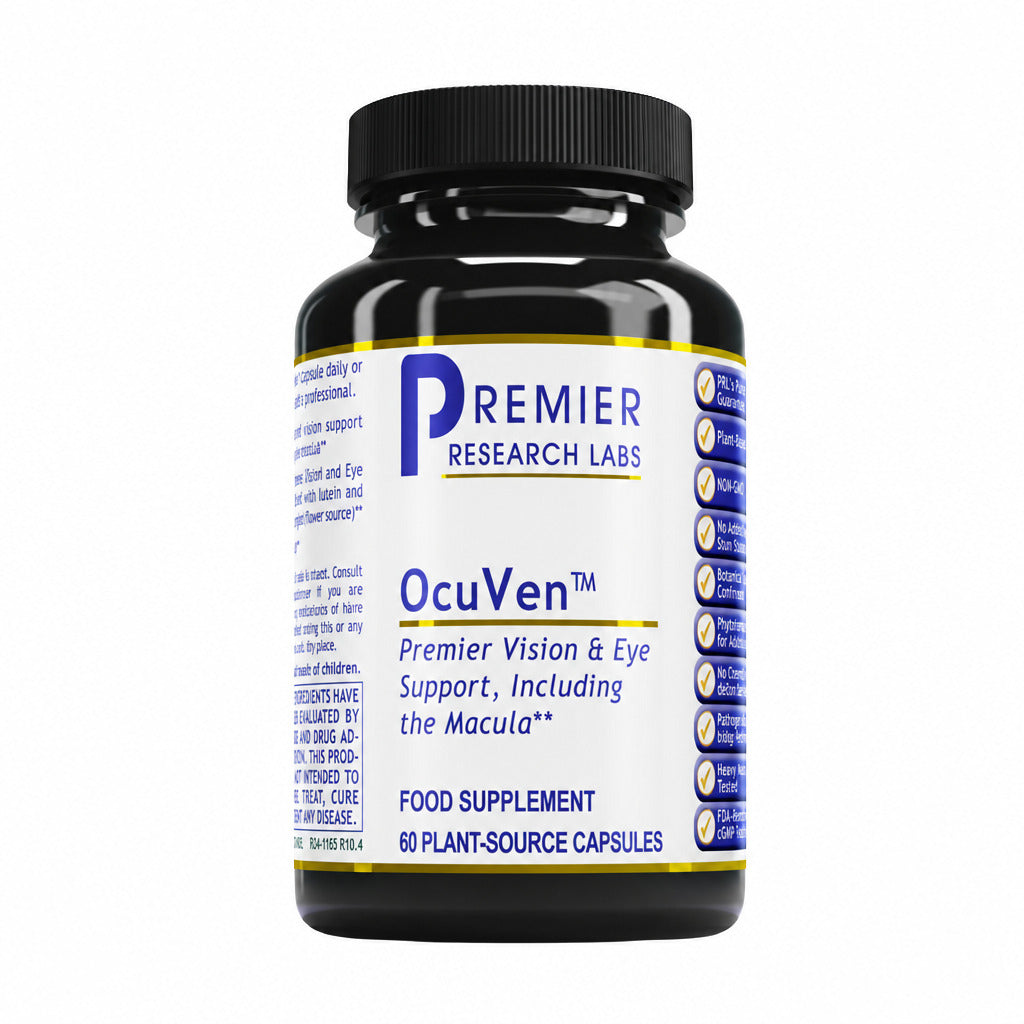 |
OcuVen - 60 Capsules | Premier Research Labs OcuVen™ delivers a high‑potency blend of lutein and zeaxanthin plus a broad‑spectrum botanical antioxidant complex to support macular integrity, retinal health, and overall visual performance. With natural carotenoids from marigold and a rich Eye Integrity Support Blend, it provides targeted daily nourishment for long‑term eye and vision support.  |
What is lutein?
Lutein (pronounced loo-te-in) is a naturally occurring carotenoid, a class of fat-soluble phytonutrients and pigments synthesized by plants that impart vibrant yellow, orange, and deep green hues to fruits and vegetables. Often referred to alongside its structural isomer, zeaxanthin, lutein functions within plant life as a light-harvesting pigment that shields plant cells against photo-damage and oxidative stress induced by solar radiation.
In humans, lutein acts as a biological antioxidant and cellular protector, but there is an important physiological catch: the human body cannot synthesize lutein on its own.
Although lutein is an important component of the macular pigment, there is no established universal daily requirement for lutein in healthy adults, and supplementation is not necessary for everyone, as highlighted by clinical guidance from The Macular Society. Once absorbed via the gastrointestinal tract and bound to circulating lipoproteins, lutein distributes into several specialized tissues, including the skin, the brain, and vascular endothelial cells, where it actively scavenges reactive oxygen species (ROS) and mitigates lipid peroxidation.
While clinical research continues to uncover lutein's broad-spectrum systemic benefits, ranging from cognitive performance and neuroprotection to cardiovascular and dermal support, its most documented and celebrated role lies in supporting visual acuity and long-term eye health. Within the human retina, lutein selectively concentrates in the macula lutea to form the macular pigment, serving as internal "sunglasses" that filter harmful high-energy blue light and shield fragile photoreceptors from light-induced oxidative decline.
What are the potential benefits of lutein?
While lutein is present in tissues throughout the body, its biological distribution is highly selective. By counteracting oxidative damage, buffering high-energy light wavelengths, and preserving delicate cell membranes, lutein confers wide-ranging physiological advantages.
Here are the primary research-backed benefits of lutein:
-
Shields the Macula and Enhances Visual Performance:
Lutein selectively crosses the blood-retinal barrier to accumulate in the macula lutea, the central, high-resolution area of the retina responsible for sharp, detailed vision. Alongside zeaxanthin, it forms the macular pigment optical density (MPOD). This pigment serves two critical functions:- Internal Blue-Light Filtering: As the peak wavelength of lutein's absorption is around 460 nm which lies within the range of blue light, lutein can effectively reduce light-induced damage by absorbing 40% to 90% of incident blue light depending on its concentration
-
Quenching Singlet Oxygen: Because the retina operates in an environment of intense light and high oxygen saturation, it is exceptionally vulnerable to lipid peroxidation. Lutein neutralizes light-induced reactive oxygen species, helping protect retinal pigment epithelium (RPE) cells against cellular senescence and reducing the long-term risk of age-related macular changes.
- Contrast Sensitivity and Glare Recovery: Clinical trials show that higher macular pigment density sharpens edge detection, reduces photostress recovery time (the visual "whiteout" experienced after bright flashes or oncoming headlights), and eases everyday digital eye strain.
-
Protects Dermal Elasticity and Photoprotection:
Just as it guards ocular tissues, lutein deposits into both the epidermis and subcutaneous fat layers of the skin. It acts as an internal antioxidant that neutralizes UV-induced free radicals. Clinical studies indicate that regular intake helps increase skin hydration, improves superficial lipid content, and supports structural elasticity, making it a key nutrient in targeted skin vitamin formulations -
Supports Cognitive Clarity and Brain Aging:
Lutein is the predominant carotenoid in human brain tissue, accounting for more than 50% of the total carotenoids concentrated in the frontal and temporal cortices, hippocampus, and cerebellum. Higher neural lutein concentrations correlate directly with faster neural processing speed, superior executive function, and better memory retention. By suppressing neuroinflammation and maintaining synaptic membrane fluidity, lutein is an essential pillar in comprehensive brain and cognitive support regimens for adults of all ages. -
Cardiovascular and Endothelial Integrity:
Lutein has antioxidant properties and has been investigated in relation to oxidative stress, lipid oxidation and vascular function. Some observational research has explored associations between carotenoid status and cardiovascular health.
-
Modulates Chronic Systemic Inflammation:
Beyond localized tissue protection, lutein down-regulates pro-inflammatory signaling pathways, notably nuclear factor-kappa B (NF-κB). By inhibiting the expression of inflammatory cytokines such as IL-6 and TNF-alpha, optimal lutein status helps buffer baseline systemic inflammation across joints, blood vessels, and metabolic pathways.
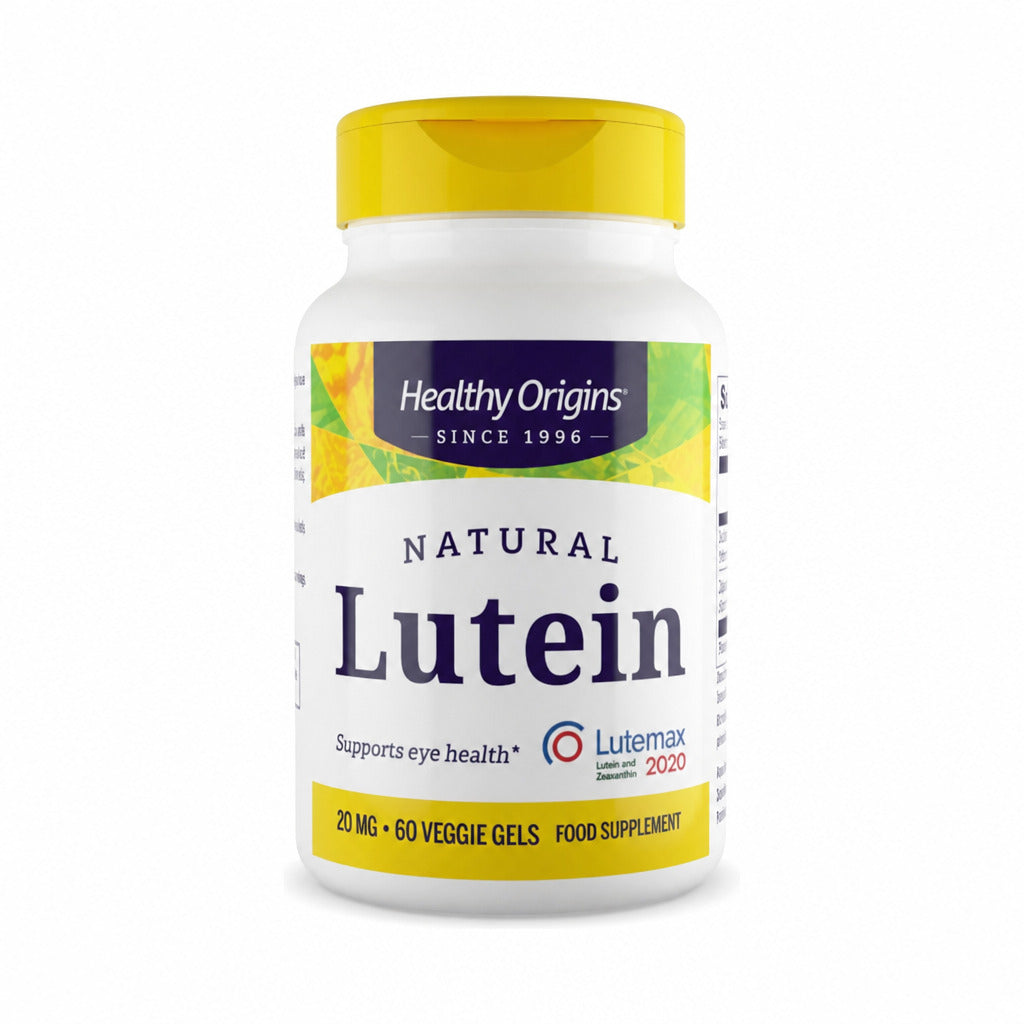 |
Lutein 20mg - 60 Softgels | Healthy Origins Healthy Origins Natural Lutein 20mg (60 Softgels) provides high-potency, clinically validated ocular support featuring patented Lutemax 2020®. Sourced naturally from non-GMO marigold flowers, this premium formulation delivers a clinical 20mg dose of free lutein combined with all three active macular carotenoids: RR-zeaxanthin, RS-zeaxanthin, and meso-zeaxanthin (4mg total). Designed to mirror the natural 5:1 ratio found in healthy retinal tissue, it actively rebuilds macular pigment optical density (MPOD), filters high-energy blue light from digital screens, eases digital eye fatigue, and defends against age-related oxidative stress. Encapsulated in easy-to-swallow softgels for superior bioavailability. |
Lutein for eyes and eye health
Of all the tissues in the human body, the eye is unique in its relationship with lutein. While the nutrient circulates widely, the eye actively pulls it from the bloodstream, concentrating it at levels thousands of times higher than in circulating plasma. Together with its sister carotenoid, zeaxanthin, lutein embeds directly into the retina to form the central core of your macular pigment.
Lutein acts as a dual-action defense system:
- Optical Blue-Light Filtration: Lutein functions as an internal optical filter. It physically absorbs high-energy short-wavelength visible light (blue light) before it can strike and destabilize the delicate photoreceptors beneath.
- Biochemical Free-Radical Quenching: When incidental light generates reactive oxygen species (ROS), lutein neutralizes singlet oxygen molecules, interrupting cellular degradation before it damages retinal membranes.
Extensive clinical trials, including landmark research from the National Eye Institute’s AREDS2 study, established that supplementing with 10 mg of lutein (alongside 2 mg of zeaxanthin) significantly improves macular pigment density. Crucially, systematic reviews published in the National Library of Medicine confirm that maintaining optimal macular pigment levels can meaningfully slow down the structural progression of intermediate to late-stage age-related macular degeneration (AMD).
Prevention vs. Repair: Can Lutein Actually "Undo" Eye Damage?
A critical question many people ask when starting an ocular nutrition protocol is whether lutein is purely preventative, or whether it has the therapeutic power to reverse existing vision loss.
Josephine Smith (BSc Health Science), practitioner at Supplement Hub, explains: "Patients often come to us asking if lutein can reverse structural damage like cataracts, scarred retinal tissue, or genetic vision loss. The frank answer is no, lutein cannot regenerate dead photoreceptors or undo severe anatomical damage. However, it is not merely a passive shield, either. By rebuilding the density of the macular pigment, lutein can produce tangible, active improvements in functional vision. Think of it less as rebuilding a damaged eye from scratch, and more as dramatically optimizing the optical performance of the retinal cells you have, enhancing visual sharpness, sharpening contrast, and accelerating glare recovery."
What Lutein Can Help Remedy (Functional Performance)
When you increase your macular pigment optical density (MPOD) through consistent intake, lutein does far more than sit as an inert shield. Clinical evidence shows it actively sharpens several facets of functional daily vision:
- Superior Contrast Sensitivity: Lutein improves the eye’s ability to distinguish subtle boundaries between objects and backgrounds in low-contrast environments, such as driving in dense fog, reading in dim light, or navigating twilight.
- Accelerated Glare Recovery (Photostress Relief): When subjected to sudden bright light (such as high-beam headlights from oncoming traffic), your photopigments bleach and temporarily blind the eye. Clinical trials indicate lutein cuts photostress recovery time, allowing the macula to reset and regain baseline visual clarity much faster.
- Reduced Glare Disability & Aberration: By absorbing peripheral stray blue light, lutein minimizes internal visual scatter and chromatic aberration, cutting down on visual hazing and haloing around digital screens and artificial lighting.
- Mitigating Digital Eye Strain: Higher macular pigment buffering relieves the chronic ciliary muscle fatigue, headaches, and dry, strained sensations associated with prolonged exposure to computer monitors and smartphones.
What Lutein Cannot Do (Setting Realistic Boundaries)
To protect your ocular health, it is equally essential to understand the biological limits of nutritional intervention:
| What Lutein Can Support | What Lutein Cannot Fix |
| Slowing AMD progression in diagnosed intermediate stages | Reversing geographic atrophy or reviving atrophied, dead photoreceptors |
| Sharpening contrast & visual acuity in intact retinal tissue | Curing refractive errors (myopia, hyperopia, or astigmatism requiring corrective lenses) |
| Mitigating screen glare and photostress recovery times | Dissolving existing cataracts or reversing dense lens opacification |
| Neutralizing reactive oxygen species in the retinal pigment epithelium | Replacing clinical interventions or targeted surgery for glaucoma or retinal detachment |
In short, lutein will not eliminate the need for your prescription glasses, nor will it erase permanent structural ocular scarring. But as a functional daily nutrient, it optimizes optical contrast, eases visual fatigue, and preserves the vital cellular framework of the macula for the decades ahead.
 |
Eye Complex - 60 Capsules | BioCare BioCare Eye Complex (60 Capsules) is a clinical-grade ocular formula engineered to nourish, protect, and maintain optimal vision. Combining essential micronutrients with targeted botanicals and triple-carotenoid protection, it features vitamin A and zinc to maintain normal visual function alongside a concentrated 4:1 bilberry extract (yielding the equivalent of 800mg of whole bilberries per day). Enhanced with eye-selective carotenoids—lutein, meso-zeaxanthin, and astaxanthin, plus hyaluronic acid, L-taurine, copper, and vitamin E, this comprehensive complex defends retinal cells against oxidative stress while supporting day-to-day visual comfort and contrast. Encapsulated in clean, easy-to-swallow vegetable capsules. |
Do I need a lutein supplement?
In an ideal nutritional world, food should always come first. Your body can absorb all the lutein it requires through whole dietary sources alone, principally dark, leafy green vegetables, cruciferous plants, and pasture-raised egg yolks. However, translating theoretical dietary targets into consistent daily plates is where the nutritional gap emerges. To hit that 10 mg benchmark from diet alone every single day, you would need to consume roughly:
- ½ cup of cooked spinach or 1 full cup of raw chopped kale
- 2 cups of cooked Swiss chard or broccoli rabe
- 4 to 5 cups of cooked broccoli or garden peas
- 10 to 12 large egg yolks (while egg yolks contain highly bioavailable lutein due to their natural lipid matrix, their absolute concentration per yolk is modest at roughly 0.2–0.3 mg)
While a diet rich in sautéed greens can easily meet this threshold on days you cook fresh produce, average Western dietary intakes hover at just 1 to 2 mg per day. Furthermore, because lutein is a fat-soluble carotenoid, eating raw leaves without a dietary fat source (such as extra virgin olive oil or avocado) severely blunts intestinal absorption. For many, maintaining that consistent volume week in and week out simply isn't realistic.
Who Stands to Benefit Most from a Lutein Supplement?
Targeted supplementation bridges the gap between everyday erratic dietary habits and clinically effective ocular levels. While anyone looking to protect their cellular health can take lutein, several groups benefit significantly from concentrated daily supplementation:
Seniors and Aging Adults:
Natural concentrations of macular pigment steadily degrade as we grow older, coinciding with an increase in cumulative lifetime oxidative stress and a higher vulnerability to age-related macular changes. Incorporating a dedicated carotenoid alongside a comprehensive nutritional protocol, such as those detailed in our guide to the best vitamins for seniors, is a proactive strategy to maintain visual sharpness, depth perception, and night-vision confidence into later decades. You can read the best vitamins for seniors here.
Office Workers & Digital Screen Power-Users:
If your daily routine involves 6 to 10+ hours staring at computer monitors, smartphones, and tablet screens under harsh fluorescent office lights, your retina is enduring sustained high-energy blue-light exposure. Supplemental lutein reinforces the internal ocular shield, curtailing chromatic aberration, easing digital eye strain, and cutting down on the tension headaches associated with visual fatigue.
Individuals with a Family History of Eye Issues:
Those genetically predisposed to macular degeneration or early visual decline often require more robust, consistent circulating antioxidant defenses to protect the delicate retinal pigment epithelium from premature lipid peroxidation.
Pickier Eaters & Low-Green Diets:
If your palate rarely accommodates dark, bitter greens like kale, collards, and spinach, or if gastrointestinal conditions limit your ability to break down high-fiber cruciferous vegetables, an encapsulated lutein supplement provides pure, bioavailable carotenoids without requiring substantial dietary overhauls.
Frequent Night Drivers & Outdoor Athletes:
Those frequently exposed to intense glare, whether from oncoming LED headlights during night driving or reflected sunlight during outdoor endurance sports, will find that higher macular pigment density noticeably accelerates photostress recovery time, allowing the eyes to adjust and regain visual clarity much faster after sudden bright flashes.
How much lutein should you have per day?
To clarify how to navigate therapeutic doses and answer whether higher intakes are safe, our resident nutritionist provides direct clinical context:
"When clients experience noticeable visual strain or are managing diagnosed macular vulnerabilities, their natural instinct is often to look for the highest dosage on the shelf. One of the most common questions I get asked is: 'Is 40 mg of lutein too much?' The clinical reality is that more isn't automatically better. Toxicological reviews and human trials show that 40 mg of lutein daily is generally well-tolerated in the short term without severe toxicity. However, taking 40 mg indefinitely is unnecessary and biologically inefficient. Your intestinal carotenoid receptors saturate, meaning your rate of absorption plateaus. At sustained doses of 40 mg or higher, you also risk developing carotenodermia, a harmless, reversible yellow-orange tint to the skin on your palms and soles. For active concerns, clinical consensus sits between 10 mg and 20 mg daily. The key to restoring macular pigment optical density (MPOD) is not megadosing lutein alone for a few weeks; it is consistent, daily intake paired with its biological partner, zeaxanthin, over 3 to 6 months." Josephine Smith (BSc Health Science), practitioner at Supplement Hub.
The Power Pairing: Why Lutein Must Be Combined with Zeaxanthin
While lutein frequently takes the spotlight on supplement labels, it is only half of the biological equation. In nature and within ocular tissue, lutein and zeaxanthin (along with its isomer, meso-zeaxanthin) operate in strict anatomical concert.
- Anatomical Division of Labour: Lutein and zeaxanthin do not deposit in the exact same spots. Lutein predominantly concentrates in the peripheral and mid-retina, filtering high-energy scatter light across your wider field of view. Zeaxanthin selectively migrates into the epicentre of the macula (the fovea centralis), the precise biological point responsible for fine-detail reading, facial recognition, and focal vision. Supplementing with lutein alone leaves your central fovea without its primary protective pigment.
- The Golden 5:1 Ratio: The landmark AREDS2 (Age-Related Eye Disease Study 2) established the modern gold-standard benchmark for ocular nutrition: 10 mg of Lutein paired with 2 mg of Zeaxanthin. This natural 5:1 ratio mirrors the balance found in a carotenoid-rich whole-food diet and ensures complete coverage across both peripheral vision and central acuity.
- Synergistic Antioxidant Quenching: Because lutein and zeaxanthin have slightly distinct molecular conformations, they absorb overlapping but different wavelengths of high-energy visible light. Together, they neutralize free radicals, suppress retinal lipid peroxidation, and shield the retinal pigment epithelium far more effectively than either carotenoid taken in isolation.
When choosing a formula for active visual support, always check the back of the label: ensure it supplies both carotenoids in an evidence-based ratio, and stick to a daily dose of 10–20 mg taken alongside a meal containing healthy fats for optimal absorption.
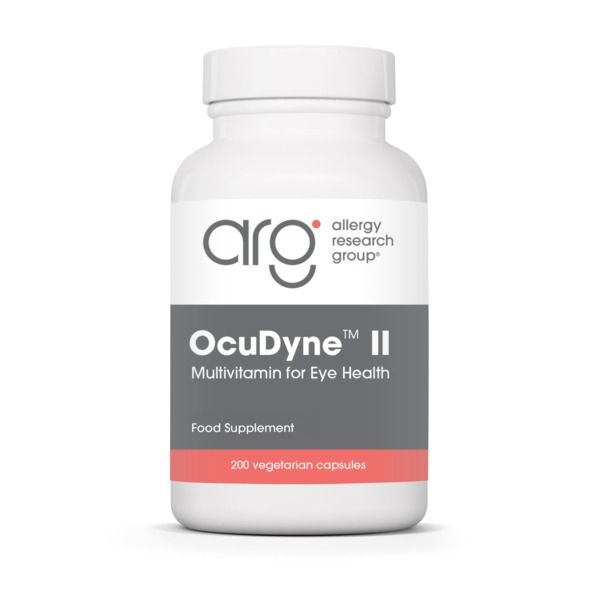 |
OcuDyne II - 200 Capsules | Allergy Research Group Allergy Research Group OcuDyne II (200 Vegetarian Capsules) is an advanced, physician-formulated nutritional complex engineered to deliver comprehensive ocular support alongside full-spectrum multivitamin and multimineral coverage. Featuring enhanced lutein, zeaxanthin, bilberry, and ginkgo extracts alongside QuatreActiv™ Folate (Quatrefolic® 5-MTHF), gamma-tocopherol, full-spectrum tocotrienols, alpha-lipoic acid, quercetin, and lycopene, OcuDyne II defends ocular tissues against oxidative stress while meeting your foundational daily micronutrient needs. |
The Benefits of Shopping from Supplement Hub
When buying targeted nutritional supplements, what is left out of the capsule is just as important as the active ingredients inside. The mass retail market is flooded with synthetic formulations padded with magnesium stearate, artificial coloring agents, titanium dioxide, and cheap bulking powders that offer zero biological value.
At Supplement Hub, we bridge the gap between retail convenience and strict clinical integrity. We believe that if you are investing in your ocular, cognitive, or cellular health, your supplements should meet the highest medical-grade purity and bioavailability standards available.
Protect Your Vision with Clinical-Grade Care
Investing in your long-term eye health requires consistency, optimal carotenoid ratios, and clean formulas free from unwanted excipients. Whether you are seeking to reduce digital eye strain, sharpen your contrast sensitivity, or support your macular pigment through every stage of life, discover the difference of pure, professional nutrition.
Explore our curated range of practitioner-approved lutein supplements at Supplement Hub today to find the perfect formula for your daily wellness ritual.